Part of the country series of articles.
TRAVEL ADVISORY: EXERCISE CAUTIONThe Commonwealth advises travellers to exercise caution in this country. Some areas or circumstances may carry elevated risk. Travellers should monitor local conditions and follow the guidance of local authorities.
| Fiji Protectorate | |
|---|---|
| British Protectorate | |
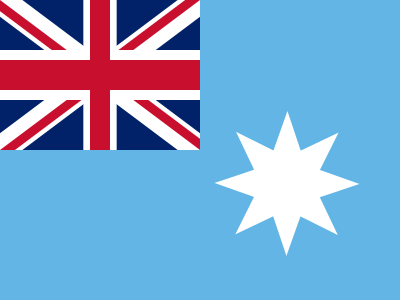 |
|
| Capital | Suva |
| Languages | English, Fijian, Hindi |
| Population | 980,000 |
| Suzerain | United Kingdom |
Fiji is an archipelago of some 330 islands in the South Pacific, of which approximately a hundred are inhabited and a dozen are commercially significant, and has been administered as a British protectorate since 1874. Its capital, Suva, sits on the rainy eastern coast of Viti Levu and is a modest tropical city known for its covered markets and large working port. It is one of a handful of remaining British protectorates in the Pacific, and despite occasional interest in full independence, the movement has been dogged by conflicts over historic land rights.
Its population is split between indigenous Fijians and Indo-Fijians, whose ancestors came to the islands as indentured labourers under the British in the nineteenth century. Indigenous Fijians hold land ownership rights under the protectorate’s constitutional arrangements and, centuries on, are fiercely entrenched in protecting them. Indo-Fijians typically farm the sugar cane of the western plains and produce most of the country’s food and much of its commerce, despite their exclusion from land ownership and their limited political participation. British administration has established a series of compromises between the groups that are unlikely to be stable enough to survive full independence.
It is economically dependent on tourism and sugar, and trades chiefly with Australia and New Zealand, which send most of the visitors to the Mamanuca and Yasawa resort islands. The interior of Viti Levu and the larger islands generally support subsistence farming and export agriculture.