
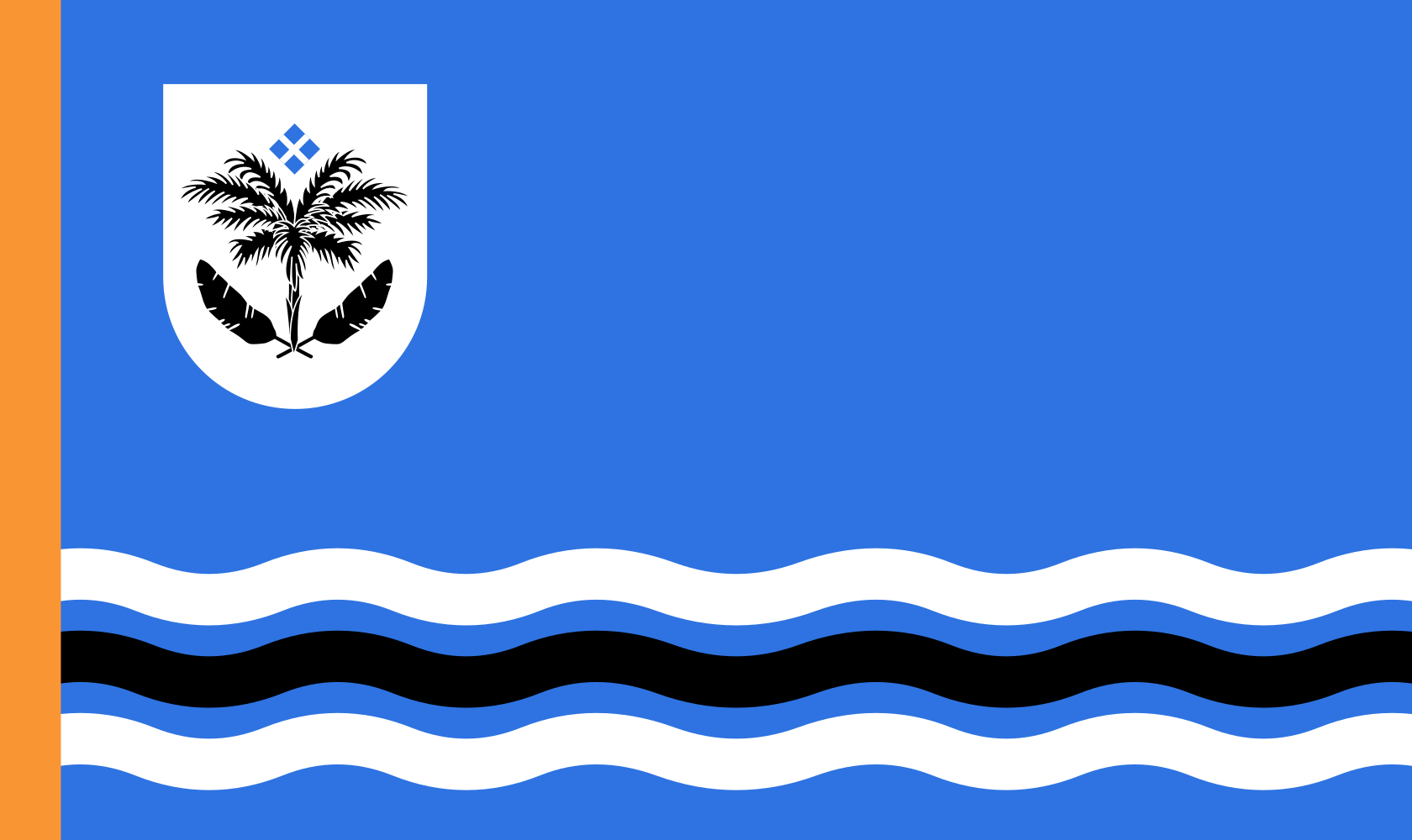



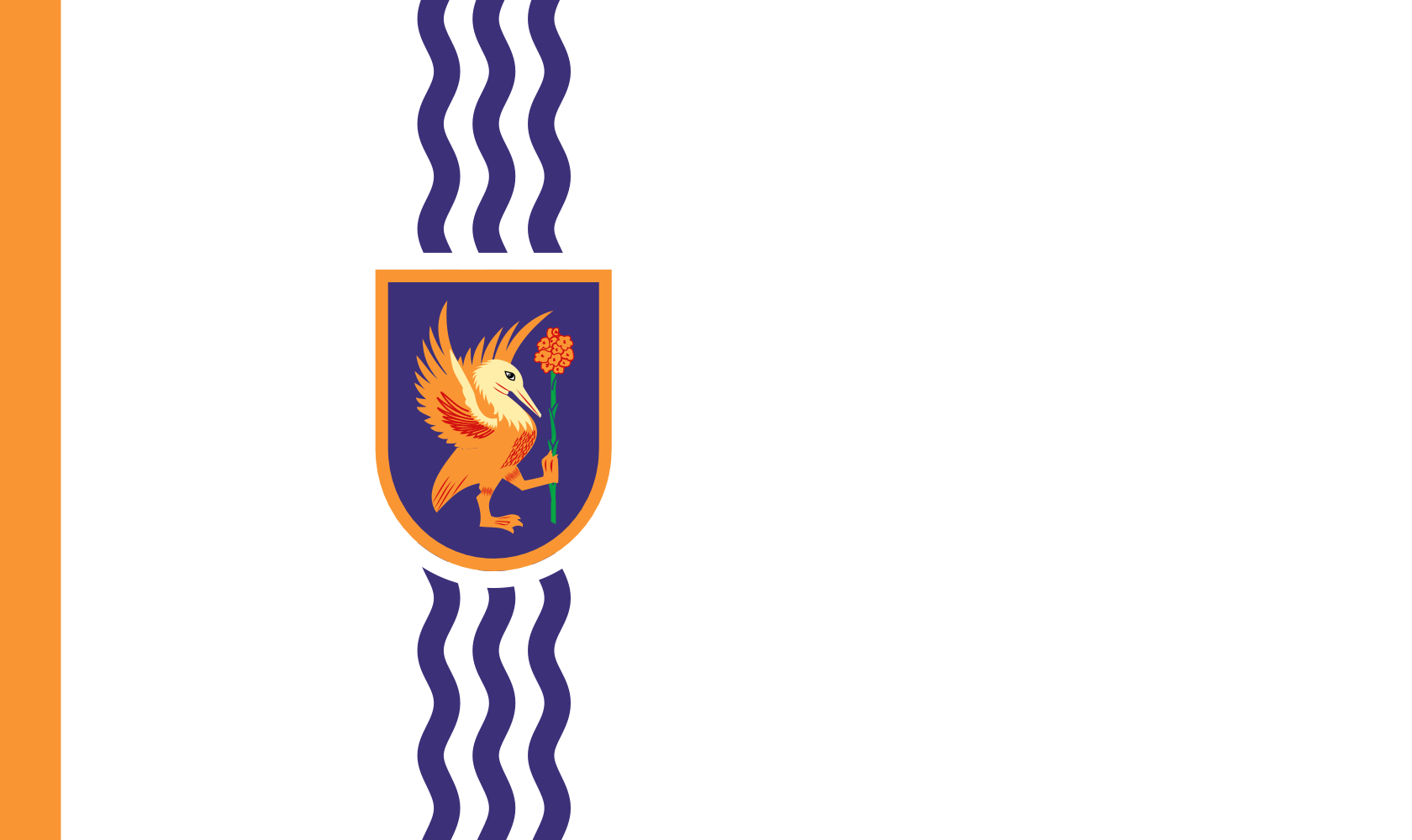
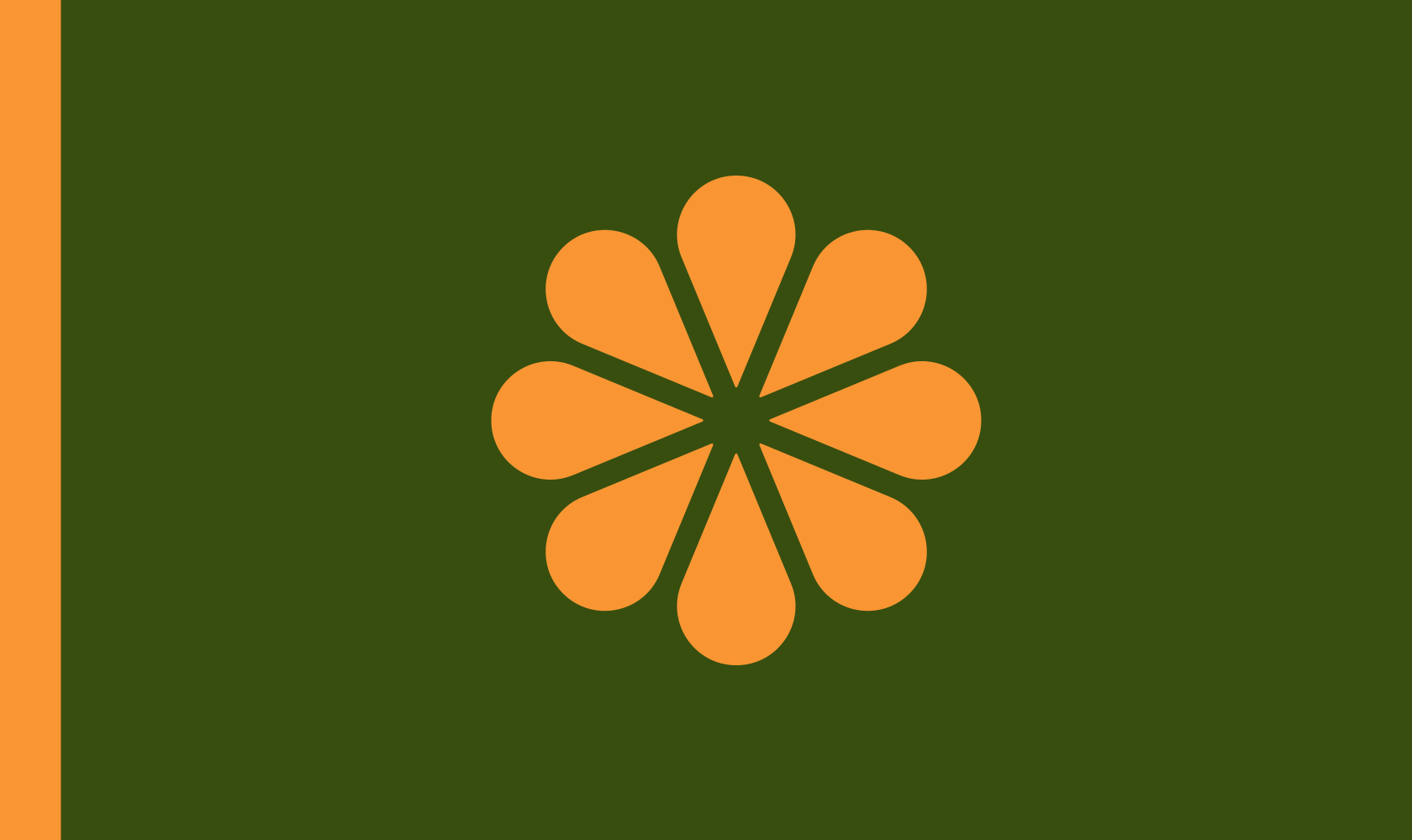

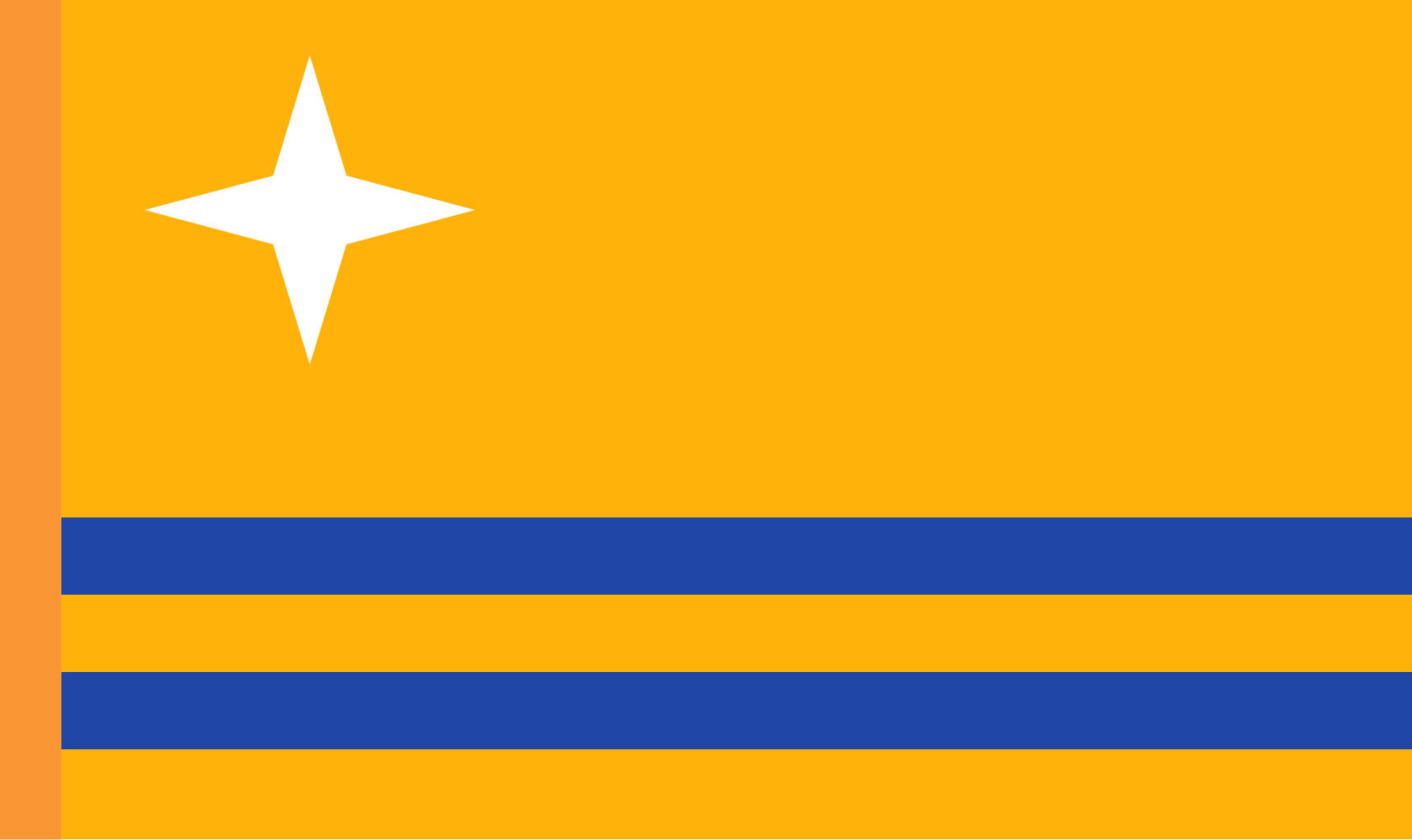
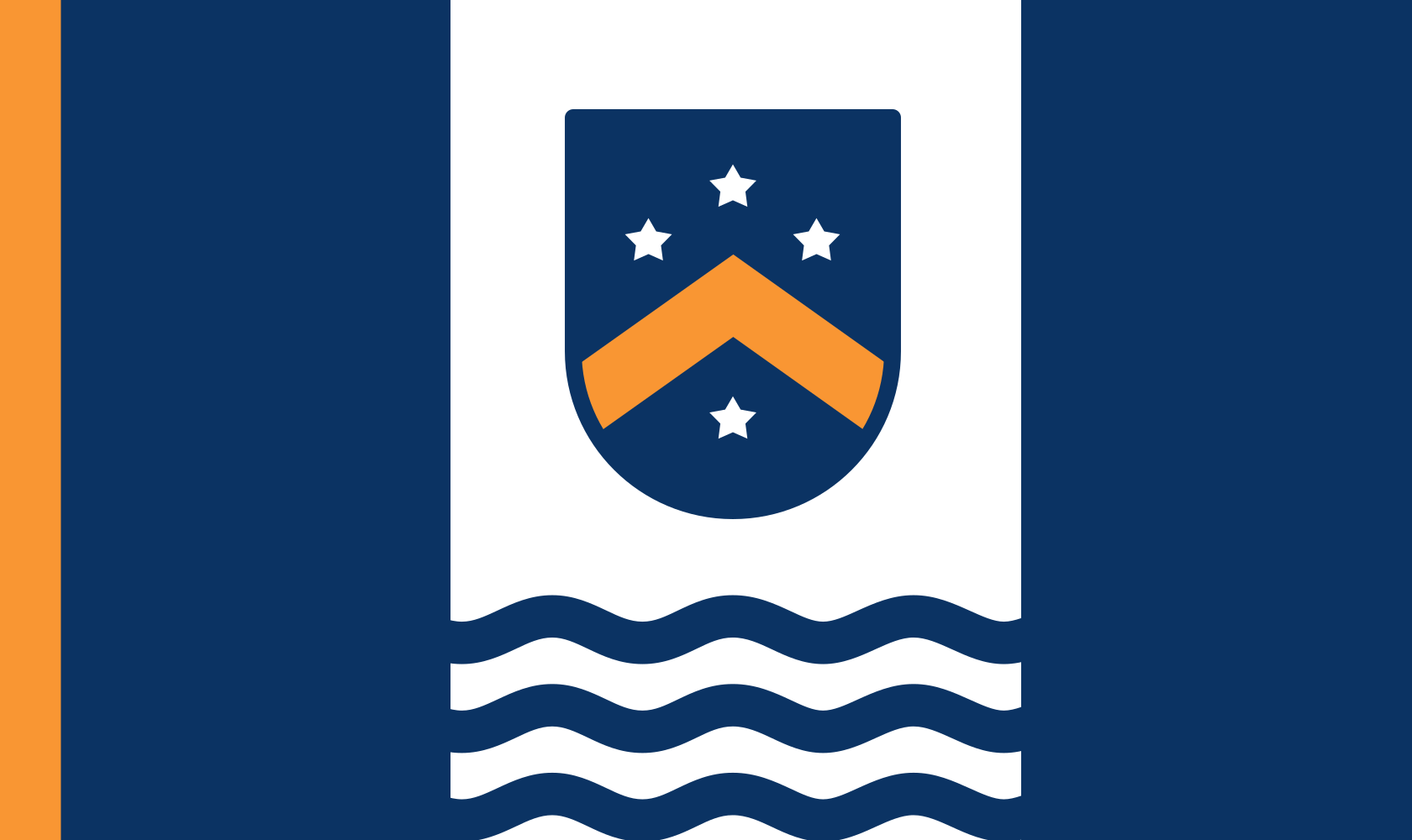



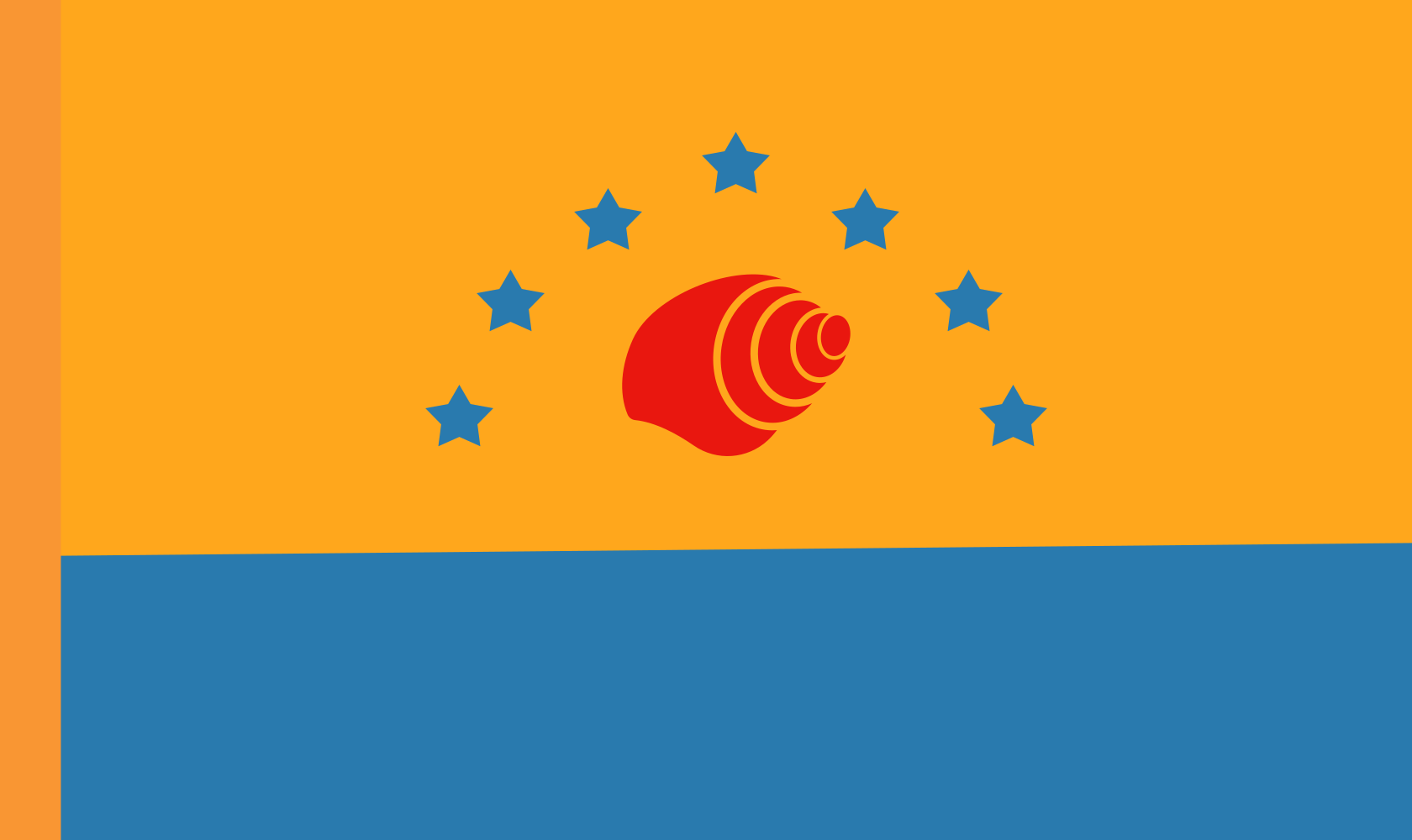
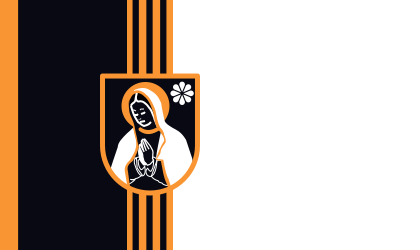
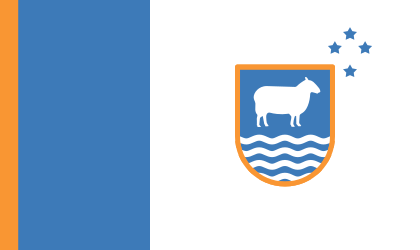
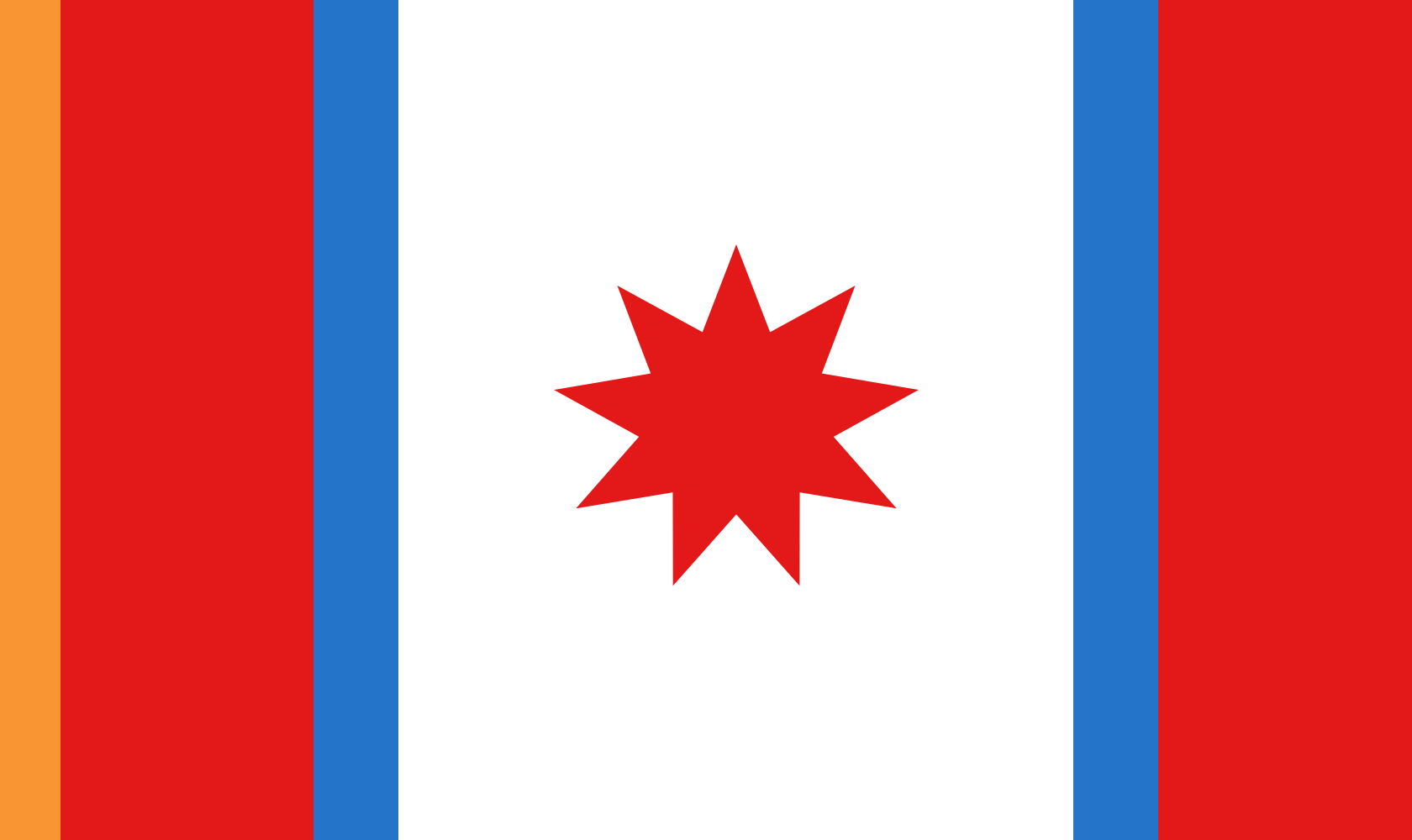

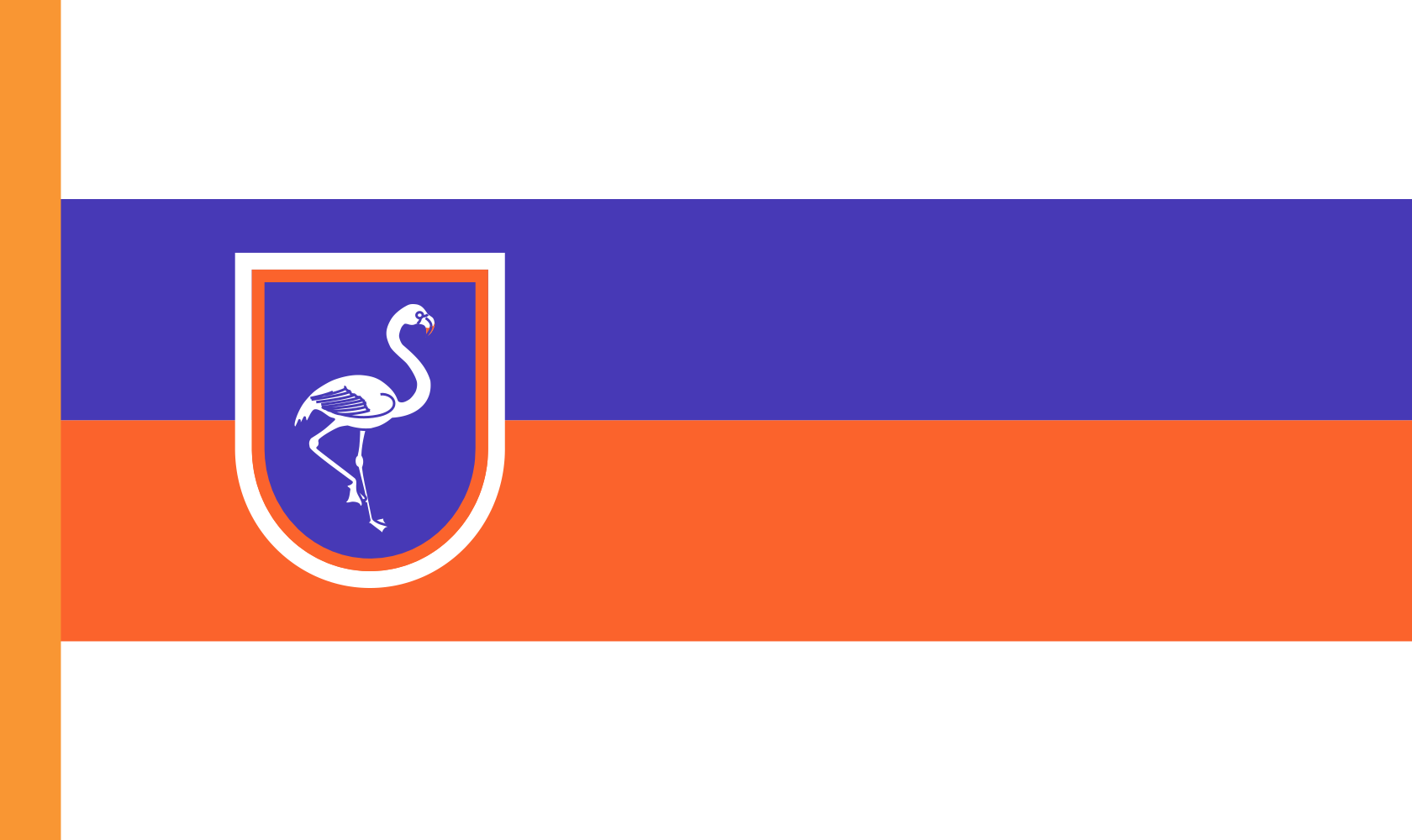
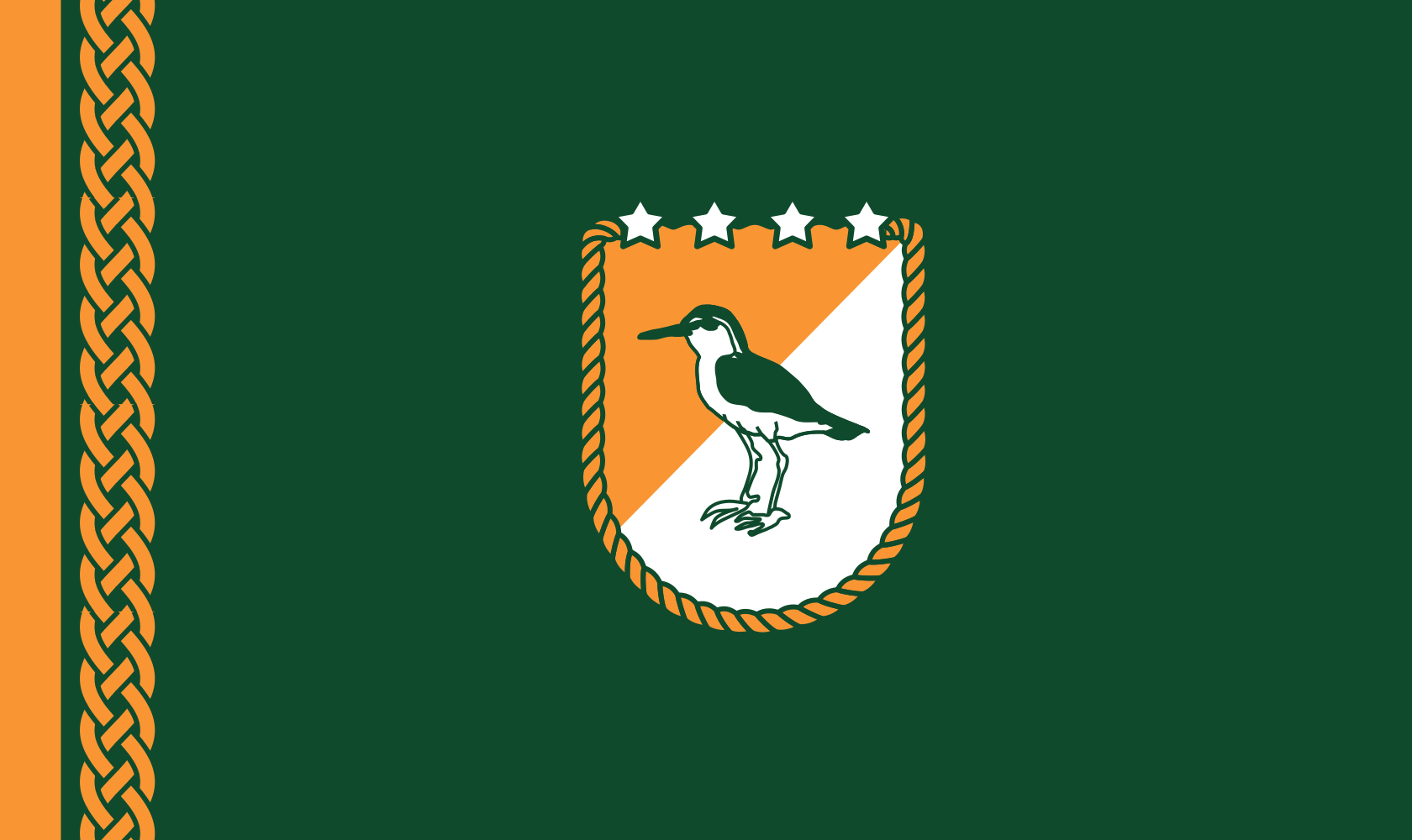
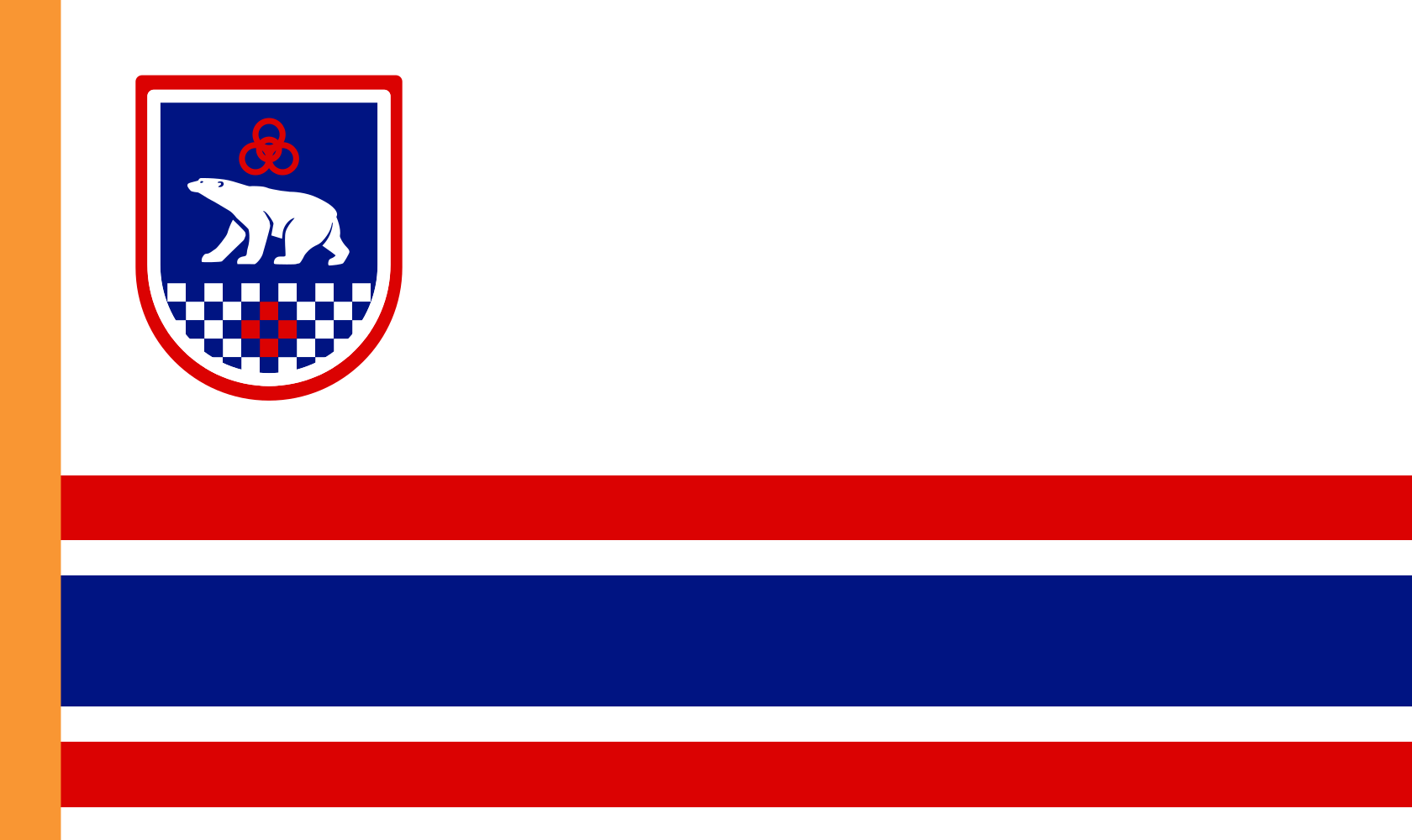
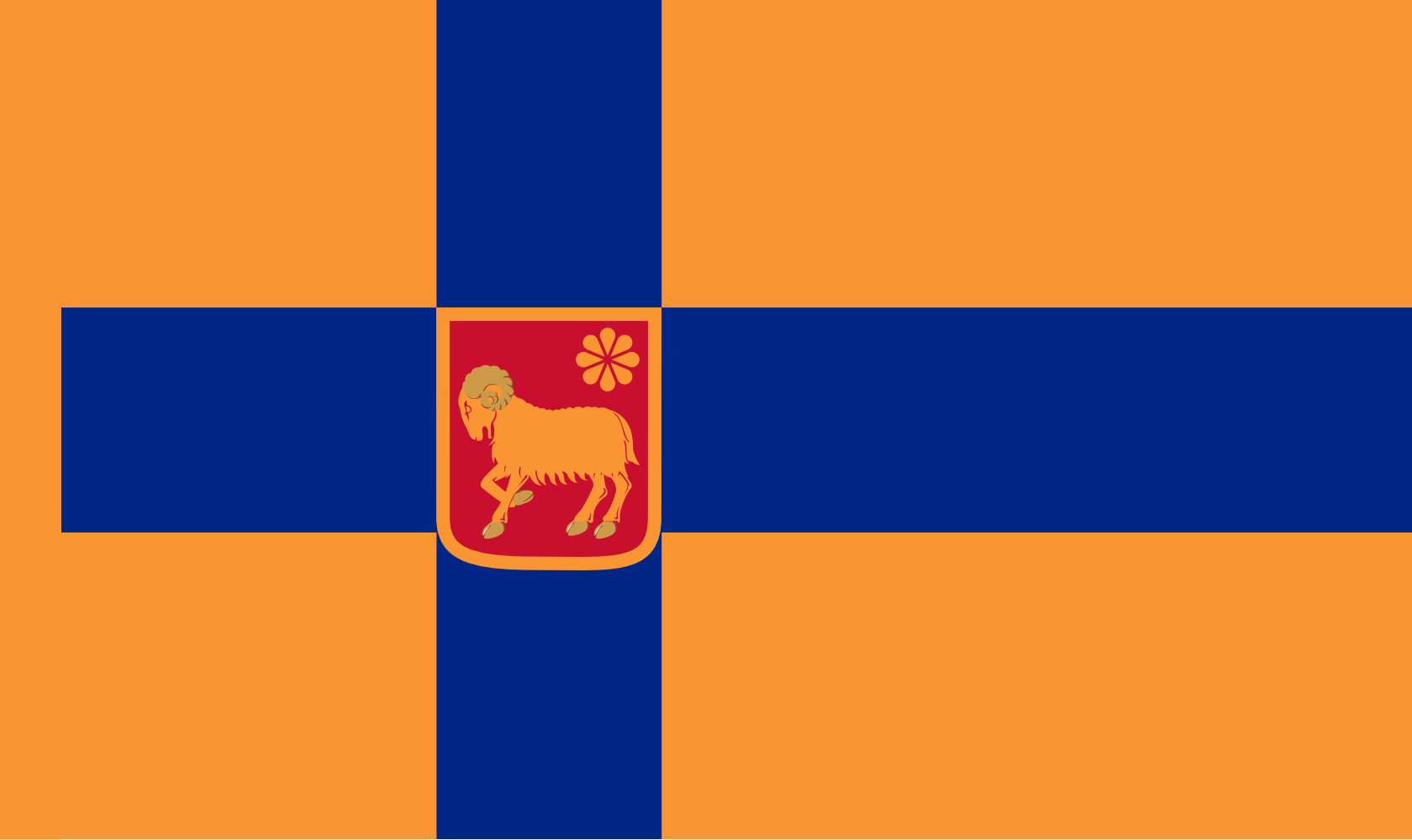


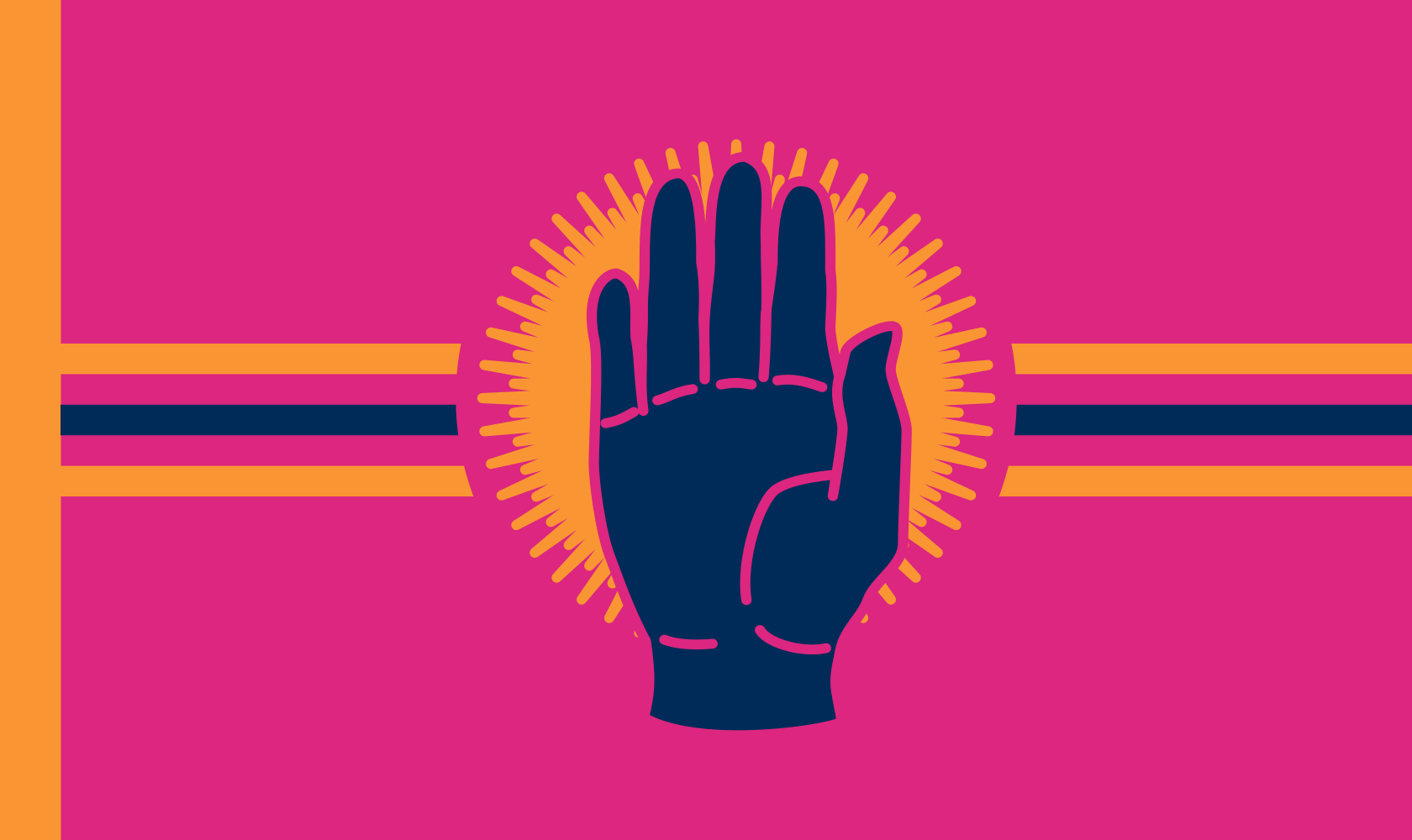
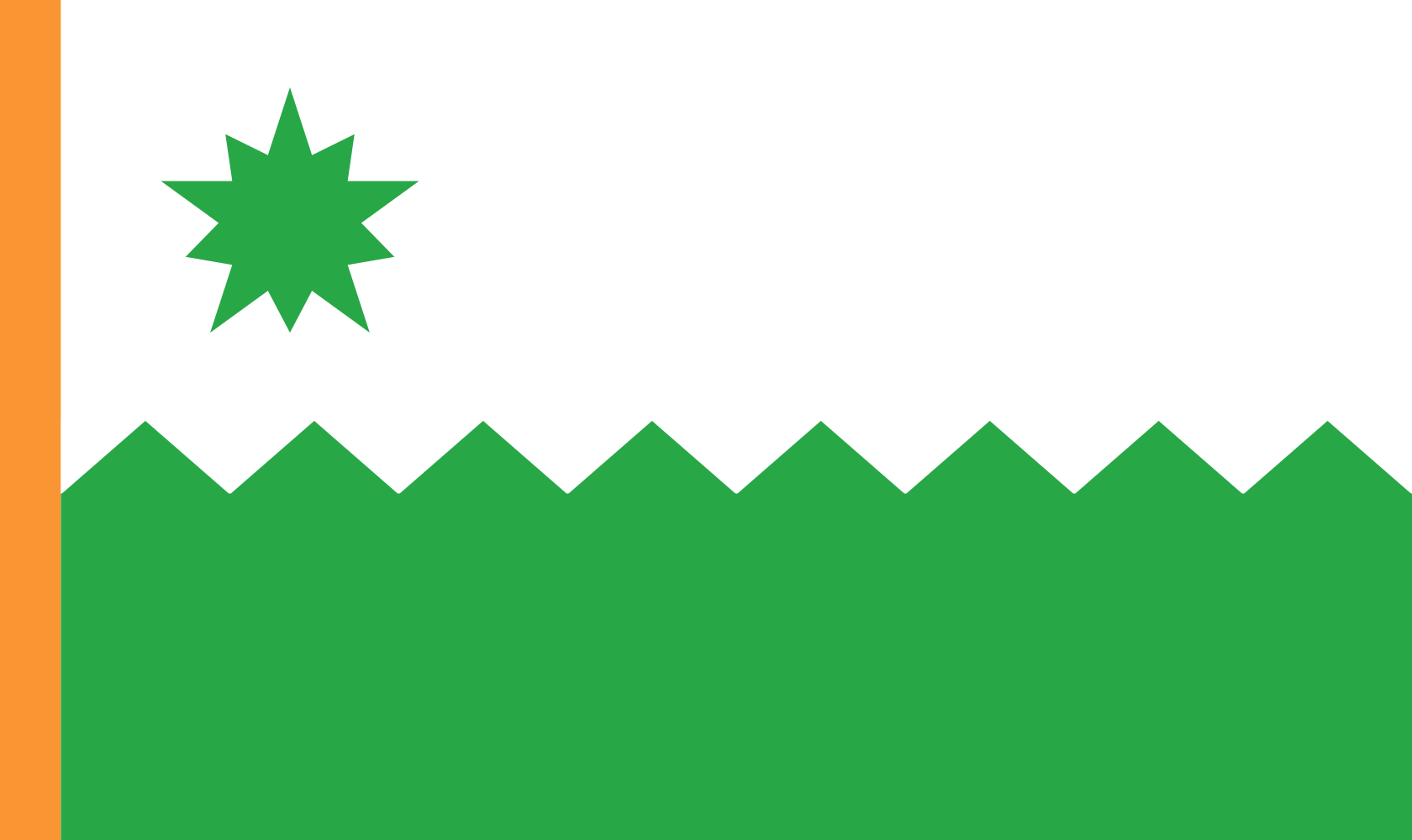


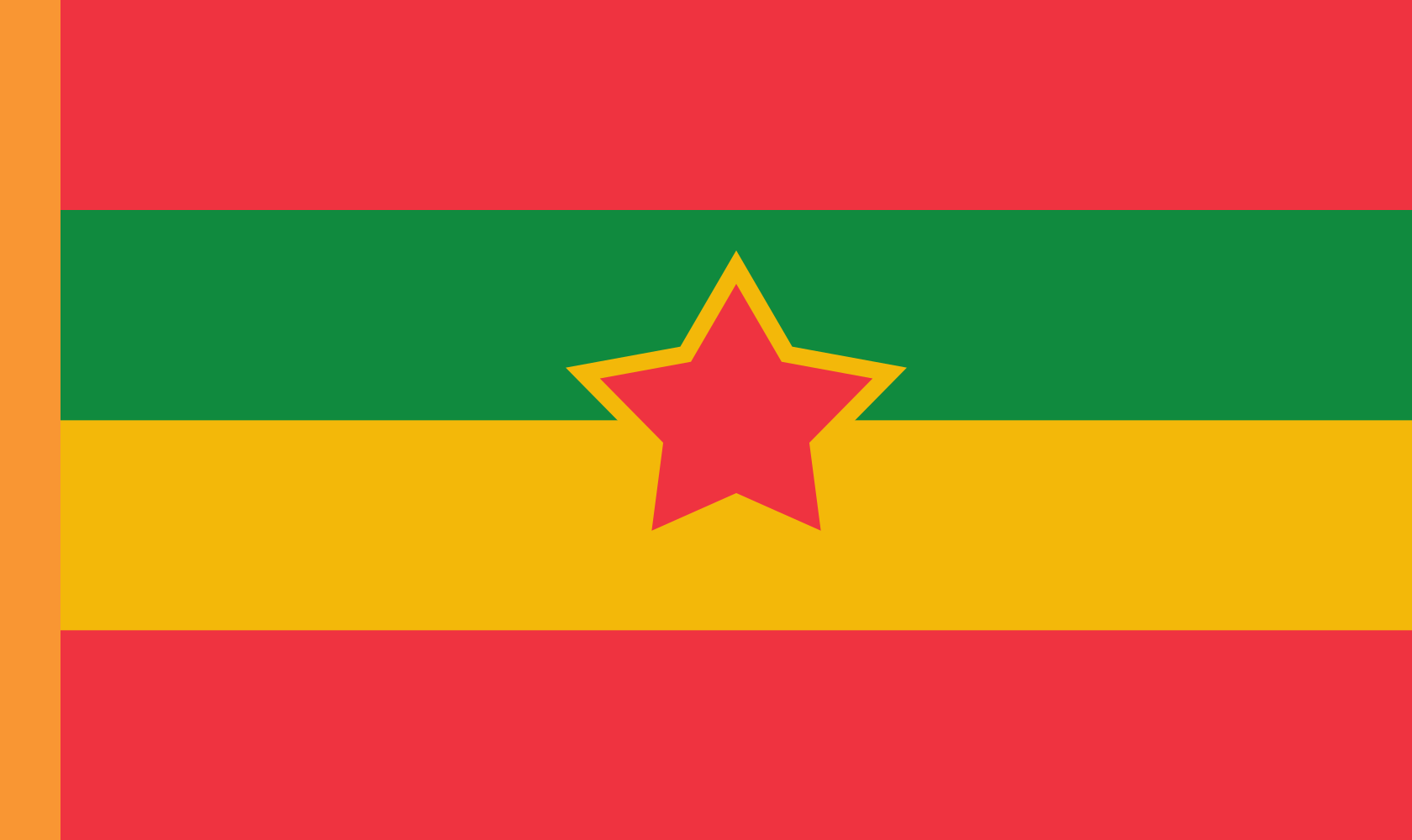

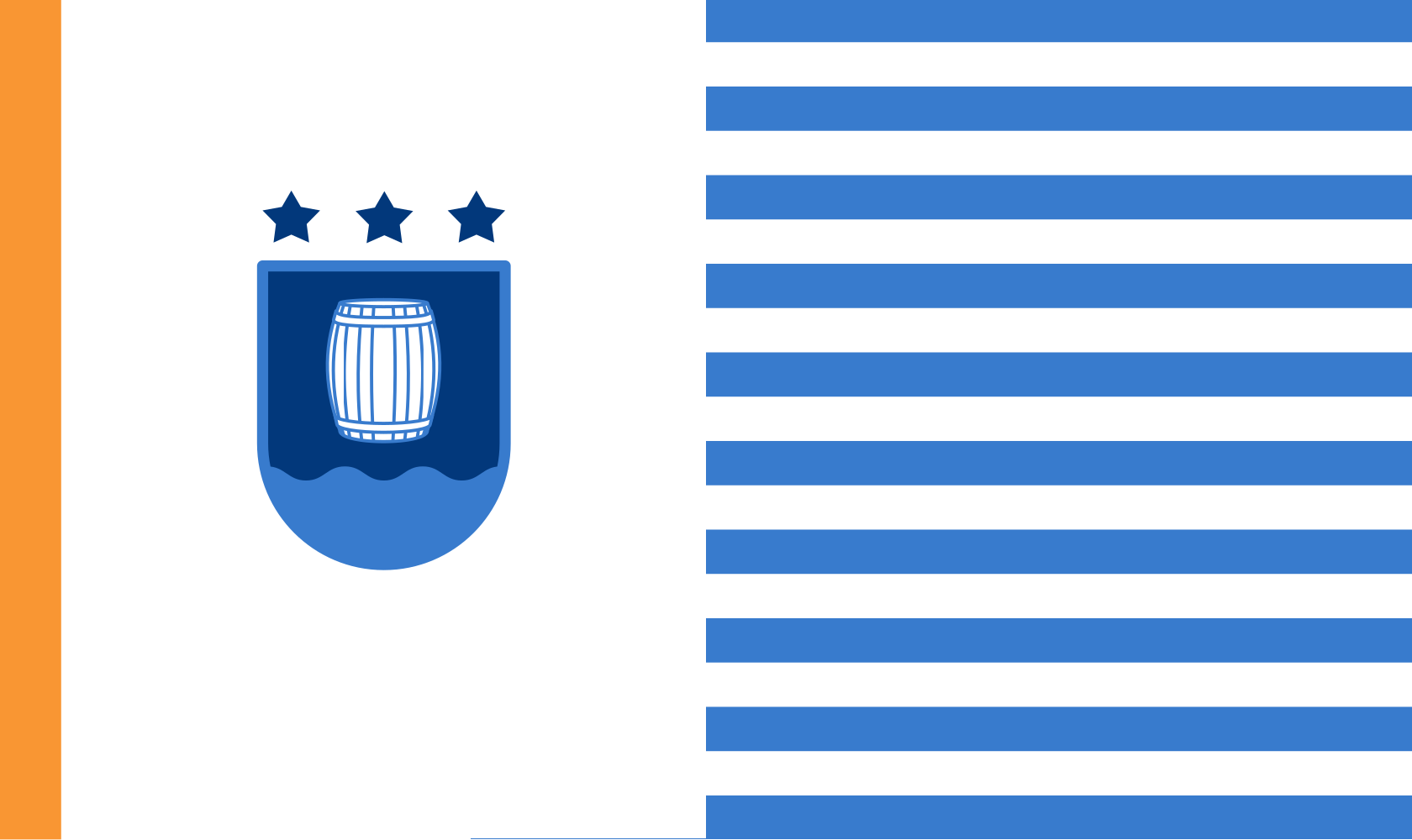


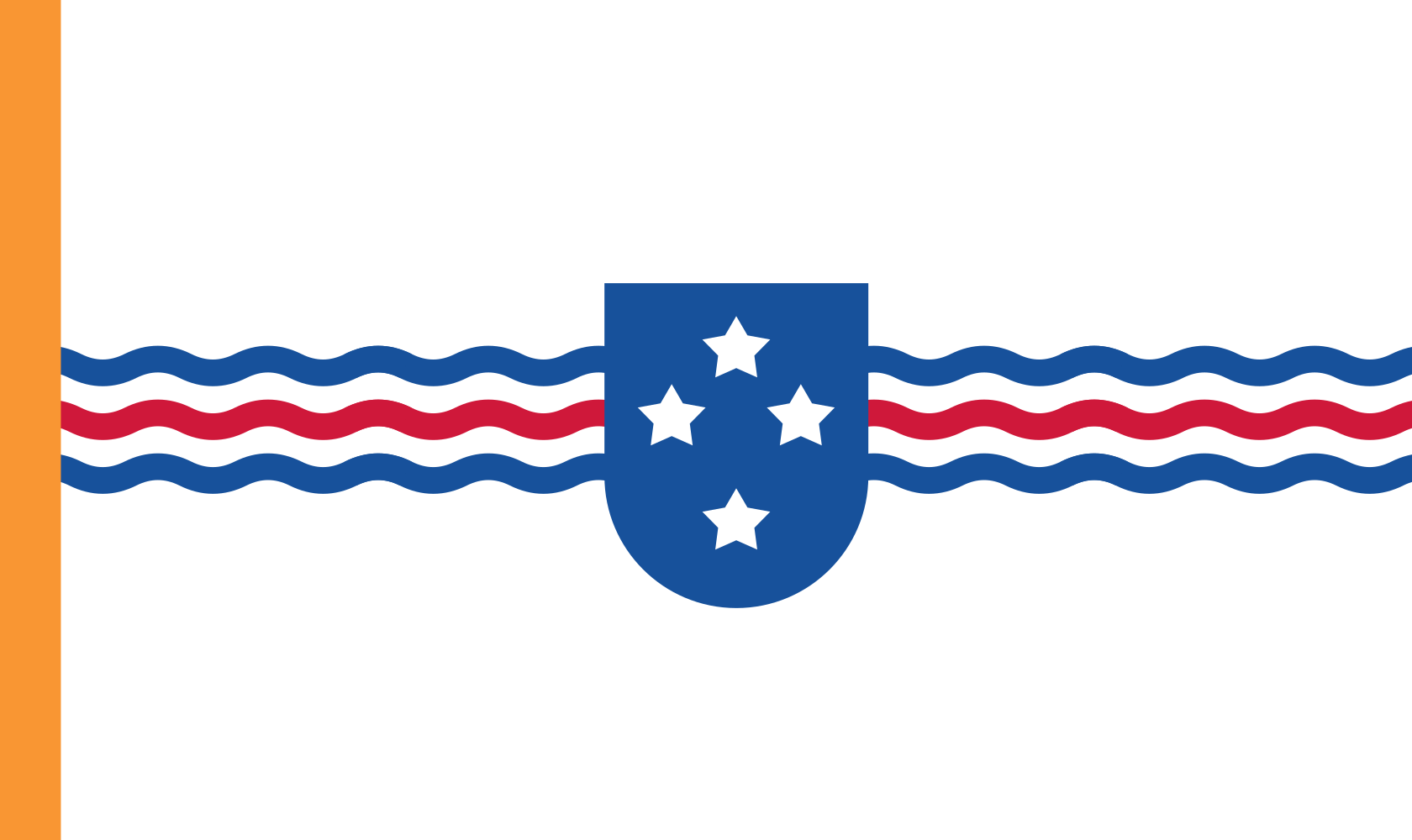

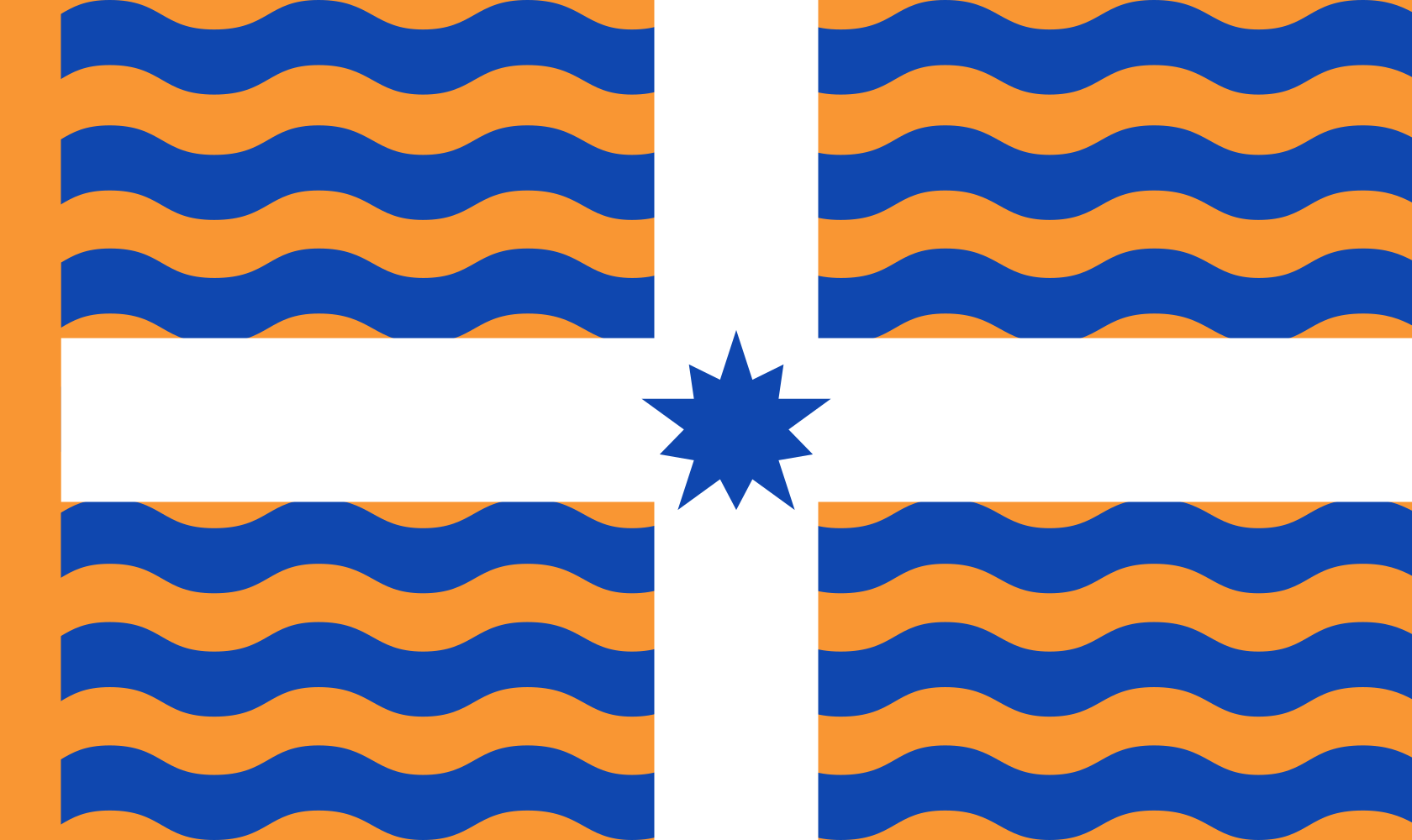
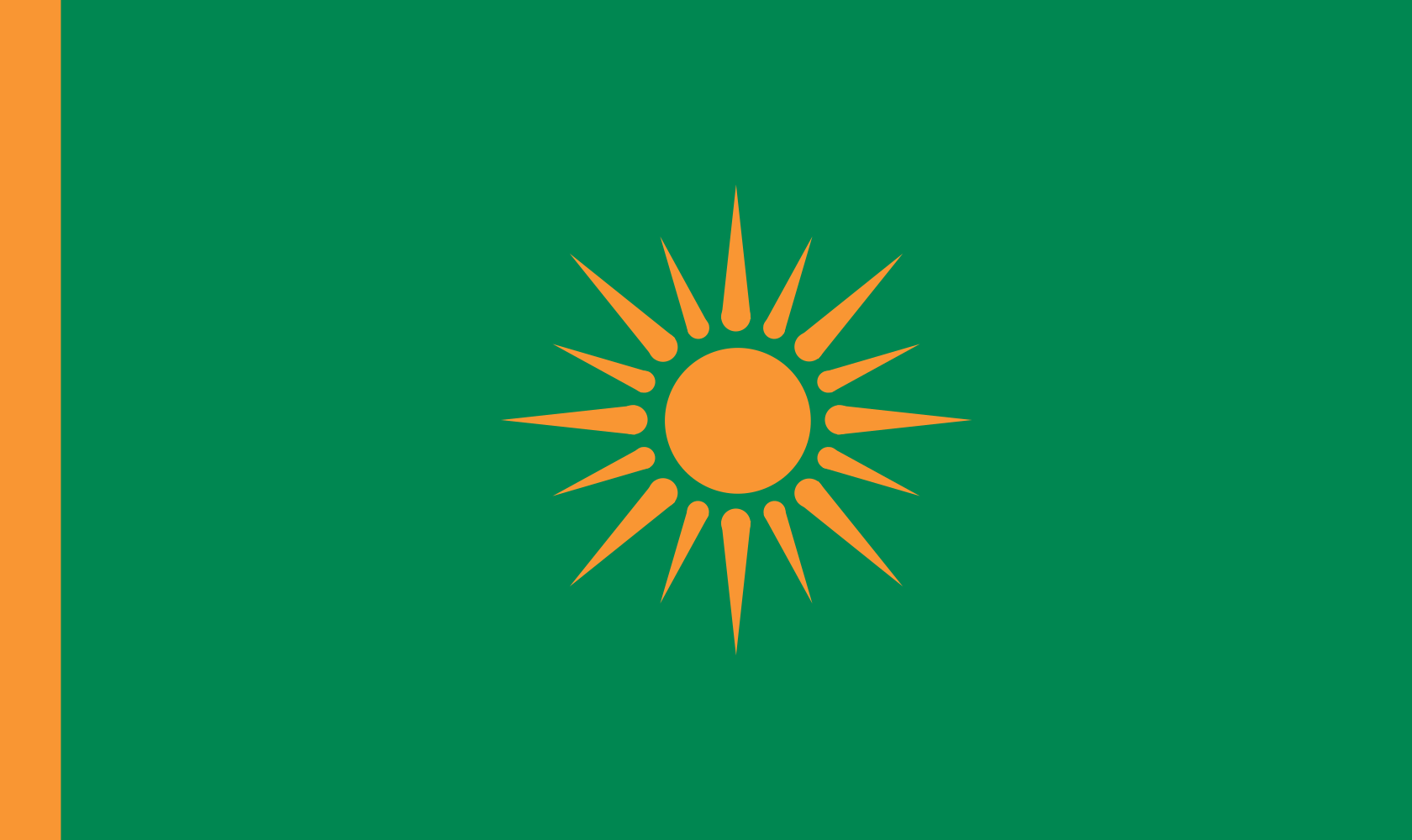


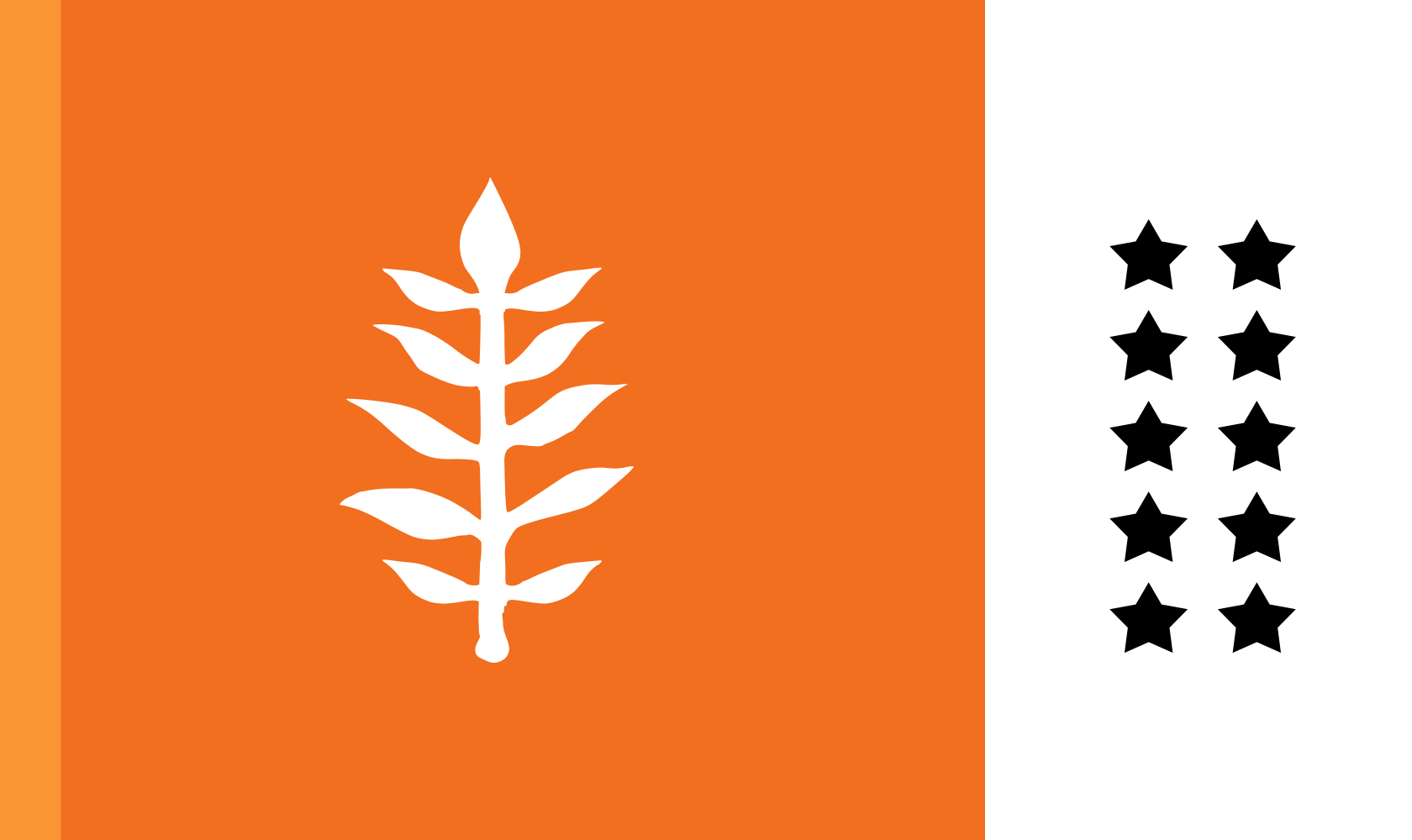
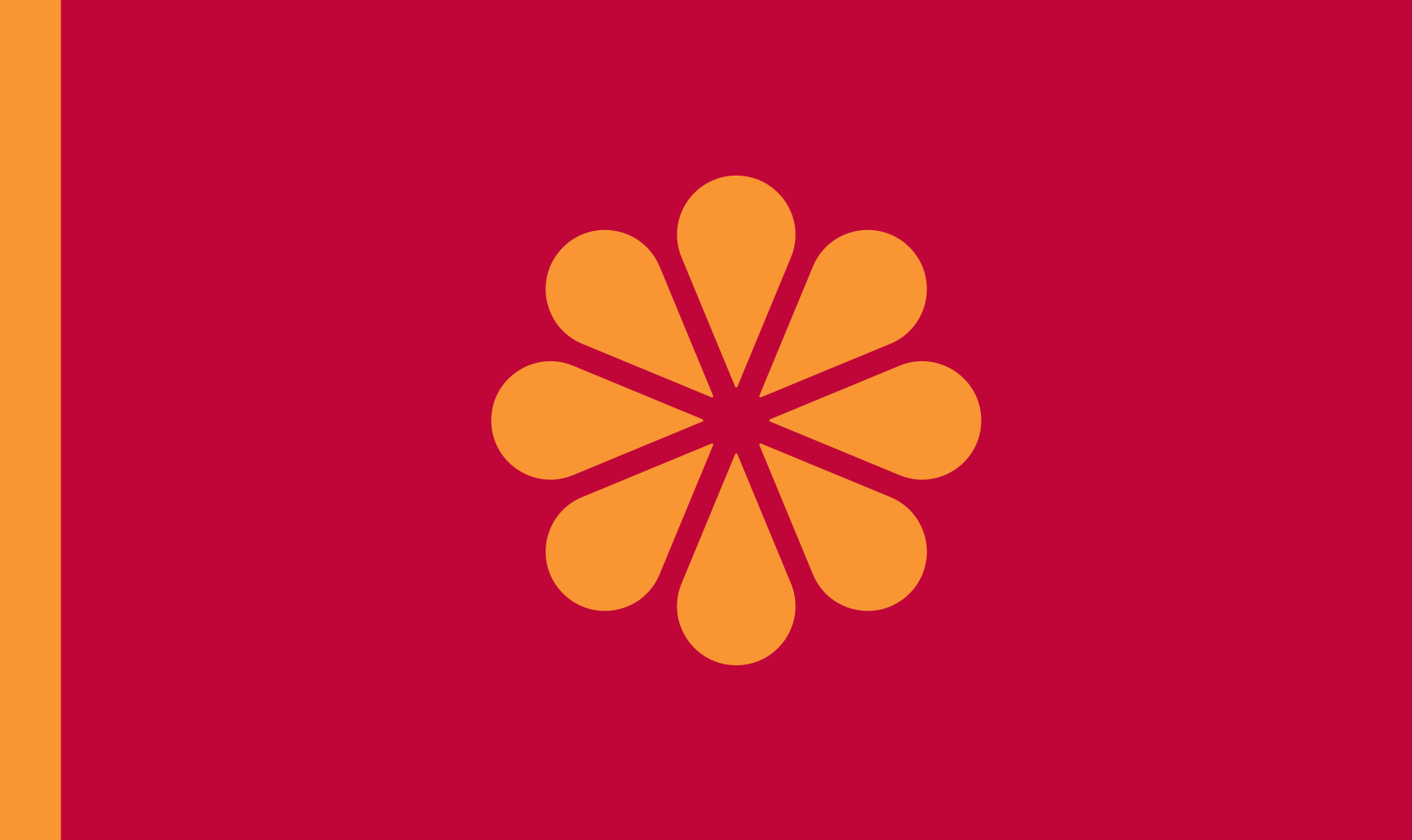
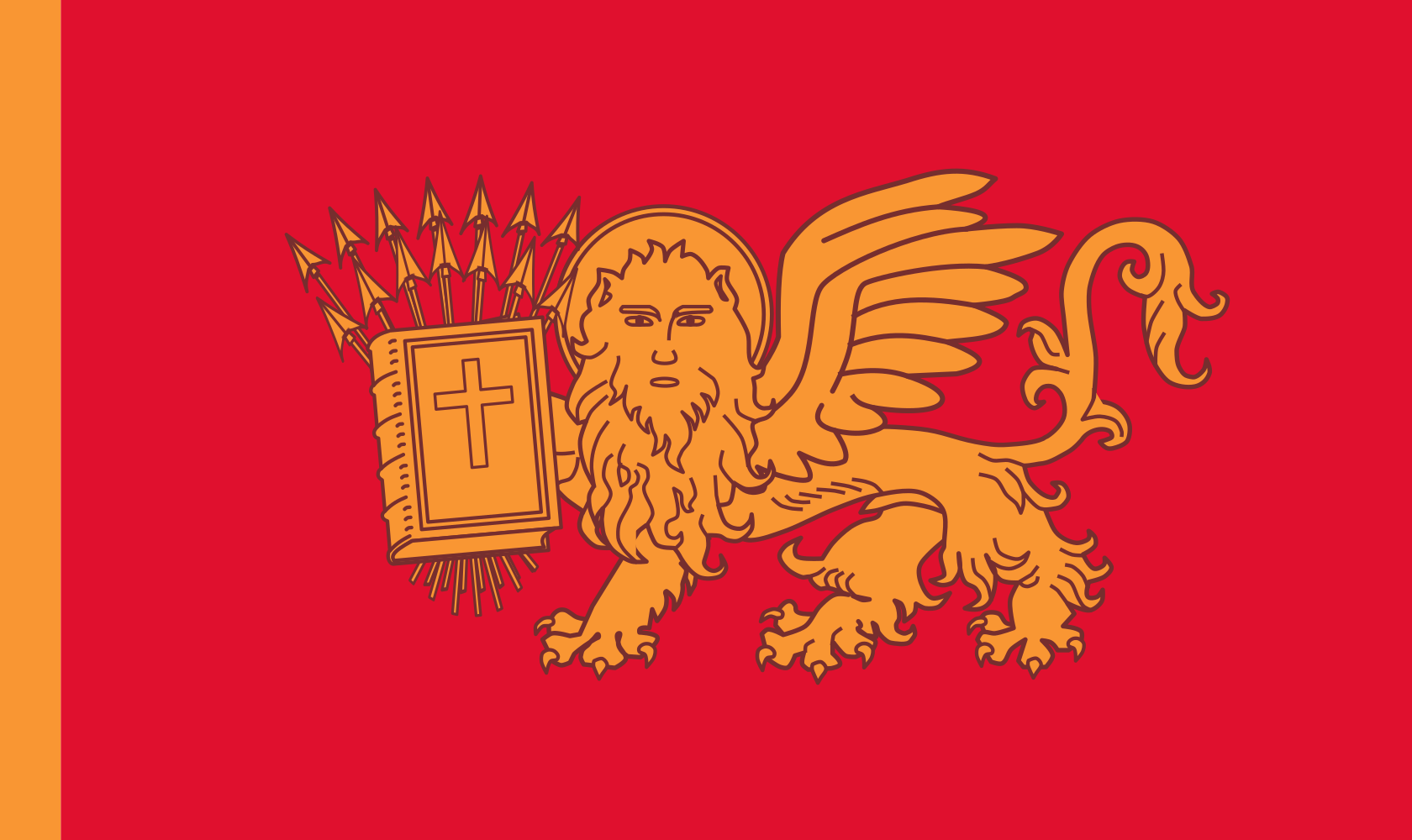
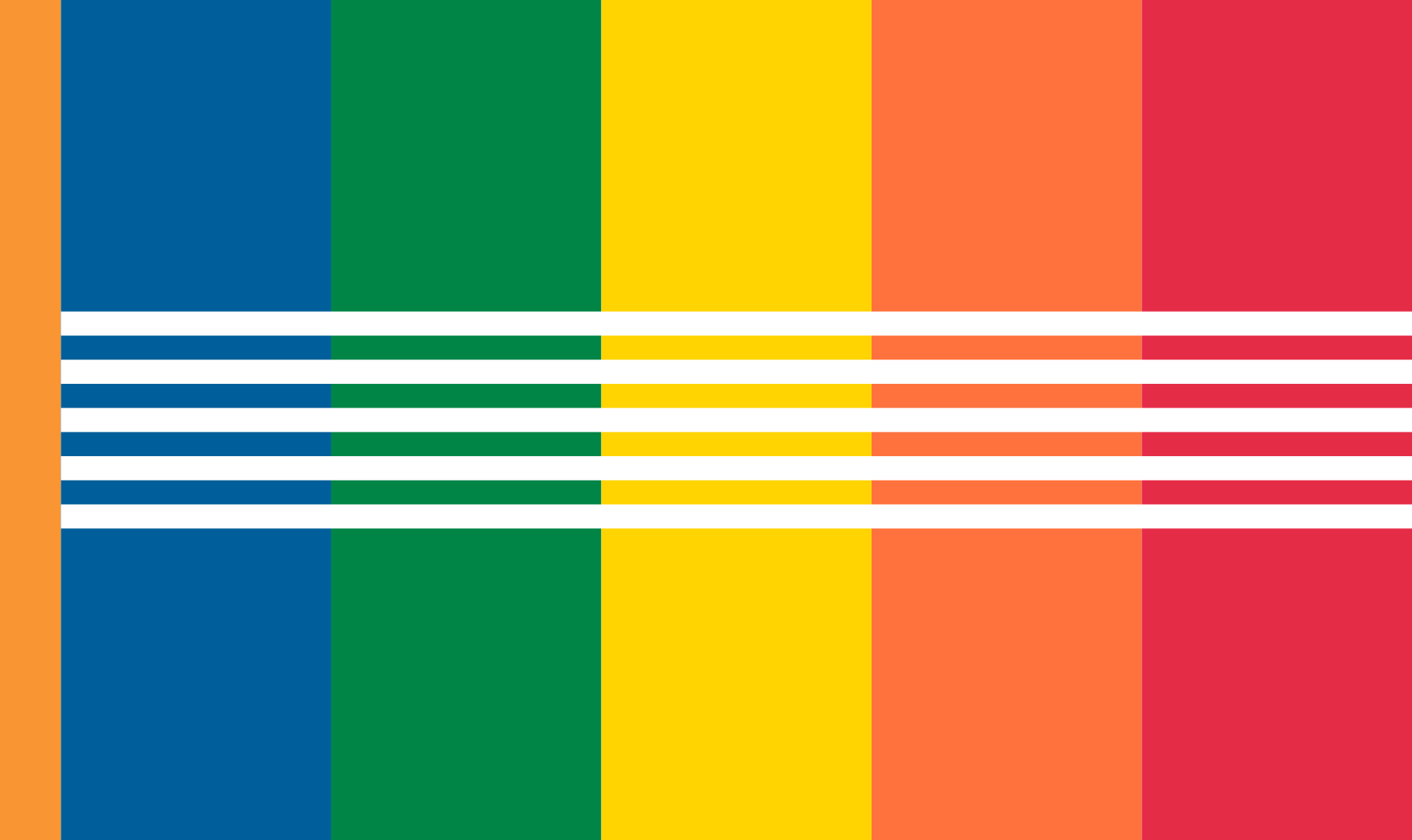
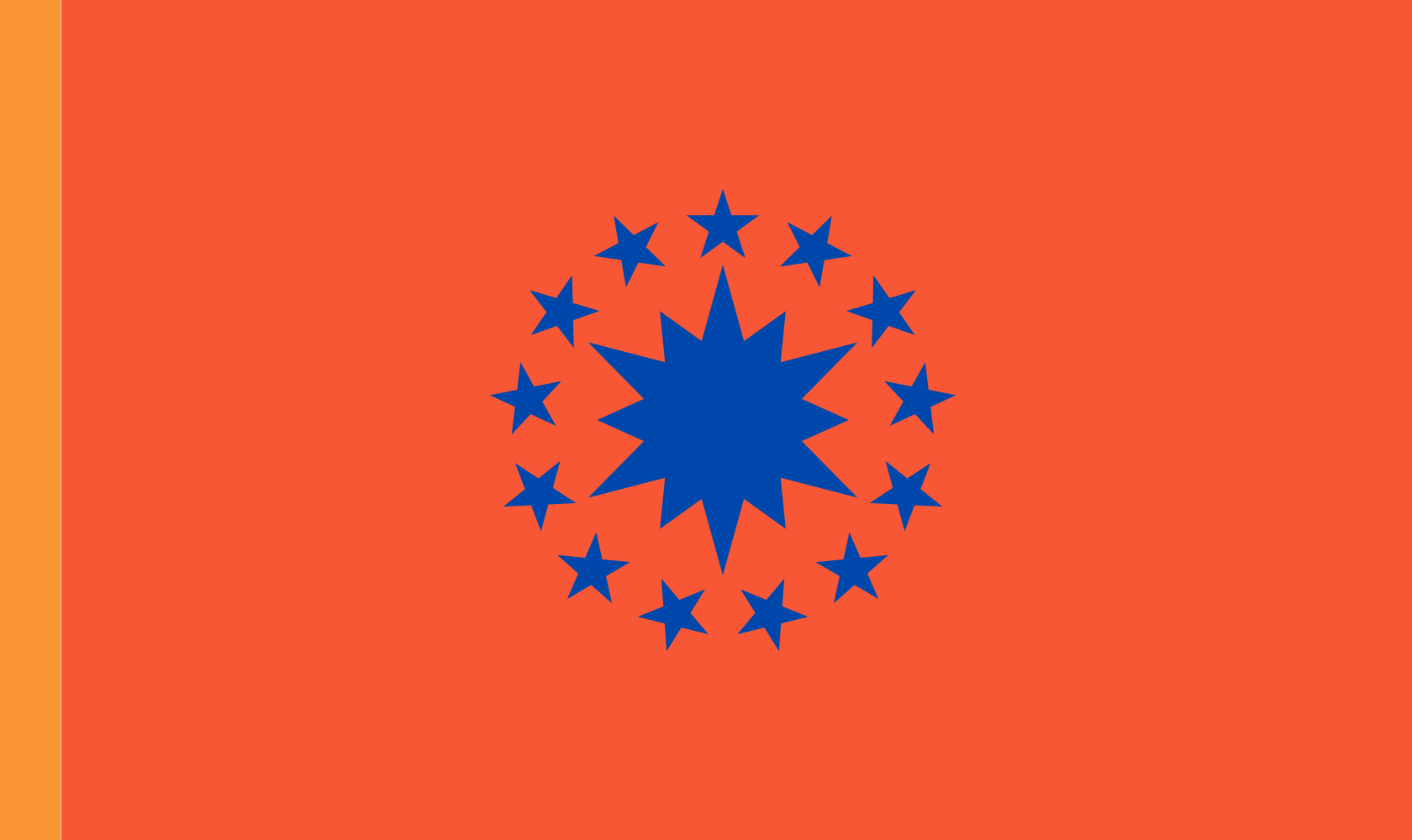
| Vekllei Commonwealth | |
|---|---|
| Sovereign Commonwealth of Atlantic Communities | |
|
|
| Anthem | Advance, Veletia |
| Area | 2,393,359 km² |
| Capital | Comet |
| Constituents | 83 |
| Government | Federal parliamentary directoral commonwealth |
| Language | English (official), many others |
| Population | 26,840,392 |
Vekllei is best conceptualised as a union of islands across the Atlantic Ocean. It is a commonwealth,1 the fourth in a series, and consists of many island republics that are connected by politics and prosperity, not geography or race. It is a new kind of country, without direct precedence or comparison, and spans the Atlantic and Caribbean oceans in their entirety.
The Commonwealth which unites them is both deeply federal and highly standardised, and built on common systems of governance and economic management. The sovereign basis of the country is the republic, or island city-state, which are organised into regional constituent commonwealths. These republics, numbering 83 in total, cede aspects of governance like Healthcare, Education and the Armed Forces to the federal Commonwealth.
The capital of Vekllei is Comet, located west of the Azores Commonwealth in the Meteor Islands. It was designed and built for that purpose.
Vekllei is often regarded a nation by will, rather than of culture or geography. It consists of distant autonomous republics with many cultures and languages, and it has attracted millions of immigrants since independence looking to participate in building the unique aspects of its governance and society.
Oslola, raging and now blinded, drew deep wounds into the Earth. Out of these wounds came fire, and out of fire came her child Oslola.
– Retelling of Algic legends, Verse 40, Saga of Origins
What is Vekllei?
Vekllei is a country that consists of many island republics in the Atlantic. The largest of these is called Oslola, which is its most populous island. Vekllei is the setting of this fiction, and is the home of most of its characters.Where is Vekllei?
Most of Vekllei's islands are found in the North Atlantic and Caribbean seas. Its northernmost territory is Helvasia (Svalbard) and its southernmost territories are on the Antarctic continent. It also has a claim on the moon.When was Vekllei founded?
The Commonwealth of Oceans (Vekllei) was founded in 1965 following the Atlantic Conference, and is the 4th in a succession of historic Commonwealths based in the Kalan and Oslolan Islands. The first, known as the Nord Commonwealth, was established in 700 AD and is among the earliest recorded parliamentary democracies.Name #
The country is known by different names. On this website, it is called Vekllei, which is an Algic corcidi word meaning people of the sea and stars.2 Within the country, ‘Vekllei’ usually refers to the federal government.
The formal title of the country is the Commonwealth of Oceans, but is rarely used. It is more commonly known as the Atlantic Commonwealth or Veletian Commonwealth. In most cases, including internationally, the country is simply called the ‘Commonwealth.’ Most people identify themselves by their native republic, but together people may call themselves ‘Vekllei’ as plural, or ‘Veletian.’
History #
The diversity of the Commonwealth is reflected in its history. Vekllei as we know it today may have roots in the Oslola-Kalan Union and Kalina nationalism, but its story begins in 1950, during the First Atomic War and subsequent Anglo-American occupation of its core territories. That period, and the complete restructuring of Atlantic society beneath it, lay the foundations for the modern union of republics called Vekllei.
Read more: ⏳ Timeline
Many Commonwealth republics have been inhabited for thousands of years, and have cultures and traditions that encompass many unique languages and faiths. There is a strong collision of old and new everywhere in the country. On many islands, ancient bloodlines and traditions have been displaced by colonial enterprise or postwar migration.
In many ways, the story of Vekllei is a story of slavery and subjugation. All of its republics were once European colonies, and most were transformed by chattel slavery. In many republics, indigenous populations were enslaved or murdered. Such is the basic tension in the heart of the country – a direct successor to cultures with thousands of years of history, but profoundly influenced by colonial enterprise and the modern world.
The federal system of the country has precedence in the Oslolan Commonwealths that existed sporadically between 700 AD and 1600 AD. For this reason, Vekllei is sometimes referred to as the “4th Commonwealth,” a phrase that draws a direct connection between Vekllei and the Oslolan Commonwealths.3
The Oslolan North Sea Empire forms an important part of the country’s history, as its historic centre of population and industry. Many early Atlantic federalists were Oslolan, and in many ways the genesis of the federal republic originates there. To this day, Oslola remains the most developed Vekllei republic, and dwarfs the others in size and industry. Federal principles have decentralised much of Vekllei administration, but most of its industry remains in Oslola and Kairi.
Common history of Vekllei as a state begins in 1600 AD, when the North Sea Empire comprising Oslola and Kala capitulated to the Kingdom of Great Britain and became subjects of the British Empire. In 1836, the British colonies in the Atlantic were reincorporated as the British Atlantic Territories. This colony was granted autonomy in 1838 and achieved dominion status in 1926, and lay the groundwork for Oslolan independence in 1935.
After the Second World War, the Oslolan Republic struggled through a series of crises that culminated in the fall of government and the rise of a military junta. Rising territorial ambitions and erratic rule saw relations with the United Kingdom collapse, culminating in the exchange of nuclear weapons during the First Atomic War in 1950.
Oslolan territories, including Kala, Demon and Helvasia were occupied between 1950 and 1965. Independence was granted in 1965 following the Atlantic Conference, in which occupied territories and former British colonial possessions ceded local rule to a decentralised union called the Atlantic Commonwealth. This Commonwealth is the foundation of modern Vekllei.
The accession of other republics occurred primarily between 1967 and 1988, in a process known as federalisation. This involved the entry of the West Indies Federation, Cabo Verde (1975), the Azores, and the Dutch Caribbean (1988). There are 83 constituent republics in Vekllei today.
State #
Vekllei contains a lot of ideas colliding with each other, which break into fragments and fuse to create new elements. This is a result of its similarly chaotic history, uniting a patchwork of republics that have been subjugated by other powers over time. These elements have evolved to become a new kind of nation-state, unique in the world and history.
The Commonwealth is a union of Atlantic and Caribbean islands which, freed from colonial rule, have established a federal system to share common burdens and improve the lives of their oceangoing peoples. It is a constitutional, federal country comprising 83 republics which share political features established by the Council of Roses. These principles are enshrined in their Constitution and Bill of Rights.
Vekllei has a unique kind of federalism, with republics and territories orbiting central Commonwealth control at different distances. A common means of petitioning membership, or “acceding” to the Commonwealth is via its international organisation called COMOC.
Although a country of unparalleled geographic and cultural diversity, Vekllei administration is strongly standardised and the state functions as a single, contiguous country. Its constituent republics have large degrees of autonomy, but are unilaterally governed by the federal government as an intact state.
Territories #
Main article: Vekllei World Map
List of Vekllei Republics
-
Federal Territories
- Meteor Federal Territory
- Vekllei Antarctic Territories
- Vekllei Lunar Community
- Vekllei Mars Territories
- International Free Arctic Territories (partial)
-
- Berbera (La Gomera)
- Canary (Gran Canaria Island)
- Costa Verde (Sao Miguel Island)
- Fayal (Faial Island)
- Flores (Flores Island)
- Graciosa (Graciosa Island)
- Benahoare (La Palma Island)
- Lanzarote (Lanzarote Island)
- Maria (Santa Maria Island)
- Meridia (El Hierro Island)
- Mira (Madeira)
- Pico (Pico Island)
- Porto Santo (Porto Santo)
- Tenerife (Tenerife Island)
- Terceira (Terceira Island)
- Velas (Sao Jorge Island)
- Ventura (Fuerteventura Island)
-
- Bahama (Grand Bahama)
- Caicos (Turks & Caicos)
- Cigateo (Eleuthera)
- Conch (Key West)
- Curateo (Great Exuma)
- Guanima (Cat Island)
- Habacoa (Andros Islands)
- Inagua (Great Inagua)
- Lucayoneque (Abaco Islands)
- Mayaguana (Mayaguana)
- Providence (New Providence)
- Rum (San Salvador & Rum Cay)
- Summers (Bermuda)
- Yabaque (Acklins)
- Yuma (Long Island)
-
- Allia (Montserrat)
- Aloi (St Eustatius)
- Aloubaera (Tobago)
- Anguilla (Anguilla)
- Antigua (Antigua)
- Barbados (Barbados)
- Barbary (Barbuda)
- Cama (Grenada)
- Grenadines (Grenadines)
- Karu (Guadeloupe)
- Kabuli (Dominica)
- Kairi (Trinidad)
- Liamuiga (St Kitts)
- Lucia (Saint Lucia)
- Madiana (Martinique)
- Oualie (Nevis)
- Ouanalao (Saint Barthelemy)
- Saba (Saba)
- Soualiga (Saint Martin/Sint Maartin)
- Virgin (British/Spanish/U.S. Virgin Islands)
- Youlouca (Saint Vincent & The Grenadines)
The Commonwealth is a country of unequaled geographic and natural diversity. It spans the entirety of the Atlantic as well as the Caribbean Sea, and comprises the majority of islands within both. Its frontiers resemble the extremes of a compass – Helvasia in the north, Sude in the south, Principe in the east and Caimanas in the west. Between them lie thousands of Vekllei islands and reefs, and two oceans. The exclusive economic zones of its islands are many times greater than the landmass of the islands themselves, and protect a wealth of resources and fish stocks.
There are 83 Vekllei republics, which comprise the 83 main inhabited islands in the country. There are thousands of other islands, islets and rocks that make up its territory. Vekllei also maintains territories under direct federal administration, including the Vekllei Antarctic Territories, the Vekllei Lunar Community, and the Meteor Federal Territory containing the federal capital. The country also maintains claims on both poles.
In total, Vekllei islands amount to a demonstration of earth’s biodiversity. Xeric plains, arctic deserts, flower-tundras, dense jungles, temperate rainforests, pastoral hills and coral sandbanks can all be found there. Spanning pole to pole, this country experiences the extremes of polar midnight sun and humid, equatorial storms at the same time. Among them are the world’s largest islands and among its smallest, ranging from the republic of Kala of over 830,000 square miles to Saba of just 5. Many other possessions amount to little more than surfaced sea mounts, reefs and rocks.
Across its archipelagoes are a broad sample of people from every corner of the world – Europeans, Africans, indigenous Inuits, Caribbean Indians, Persians, South-East Asians, Mediterraneans and Mongols all make their homes in Vekllei. A half-century of immigration has ensured that every language on earth is represented. The living effect is unique – a social internationalism wrought from all kinds of people in all kinds of environments.
Government #
Main article: Government
The Vekllei government plays an active role in the lives of ordinary people. Each commonwealth republic is represented by two people4 of equal standing called Prime Ministers. These ministers represent the bicameral parliaments and assembled cabinets of their homes,5 and participate equally in a council of leaders called the Commonwealth Directory.
There are four primary levels of administration and democratic participation in Vekllei, forming a cascading structure of governance:
- The Commonwealth of Oceans is the federal governing body and parliament of the constituent republics. It manages common burdens like the military and international finance. The head of state is the collective Commonwealth Council, chaired by a rotating First Minister.
- The Constituent Regions (or regional commonwealths) are administrative coordination bodies that manage home affairs with devolved powers. They each have National Assemblies which coordinate regional interests but lack independent economic authority. The house the devolved ministries of the country, since most republics are too small to maintain their own.
- The Constituent Republics are the basic sovereign units of Vekllei. Functioning as city-states, they retain their own legislatures and substantial autonomy, serving as the link between federal policy and local economic activity.
- Municipalities are the incorporated settlements within republics and the basic unit of Vekllei localism. They are the primary economic actors in the domestic system, managing civic and industrial matters through municipal assemblies.
Vekllei elections do not allow political parties, a system called nonpartisan democracy. Commonwealth ministries and parliaments are lead by professional directors appointed by an internal vote, with final approval resting with the Commonwealth Directory.
Economy #
Read more: Commons, Economy
The Vekllei economy exists in two pieces: as a social market, dominated by wandering interest and cooperation, and as a financial market, which subsidises the former. The moneylessness of the social market is the marvel of the Vekllei nation and is deeply revered by citizens and disaffected foreign ideologues alike.
See also: A Social Economy
The Commonwealth has a hybrid moneyless system called commons, in which money is not used in daily life. In the place of money, the commons system exists as a series of social economies and usufructs. Rather than purchasing products as consumers, staples like food and clothing are subsidised by groups of companies known as bureaus. Everything else is produced in the colloquial moneyless market, often unreliably.
Money is used in a seperate industrial and financial market called the financialised commons. In this market, Vekllei has two currencies known as Vekllei and Government Crowns, which are used by the government, industry and foreigners to interact with the Vekllei economy and purchase securities and financial instruments. Money is also used as a means of exchange between Commonwealth republics as a privilege of the state.
The country has maintained high unemployment since independence, sliding between 5-10% for most of the postwar period.
The commons economy relies on a system of participatory work, encouraged by the simple and universal rule to be employed, called Compulsory Service. The standard of living in Vekllei is quite good and is unique among modern societies today.
In industrialised regions like Oslola, the commons has a sophisticated network of incentives and social engineering to facilitate its quality of life. In other regions, particularly scattered across the many archipelagos and small islands of the Commonwealth, self-sufficiency is more common and dependent on fishing, community and codependence.
Work #
Employment in Vekllei has many unique features, not least of which is its functional moneylessness. Except for Verde,6 no republic of the Commonwealth uses money in daily life. Work in Vekllei is characterised by lifetime employment and seniority-based advancement, though this culture is changing in some industries. Most larger businesses in Vekllei function as cooperatives, often as part of a Bureau.
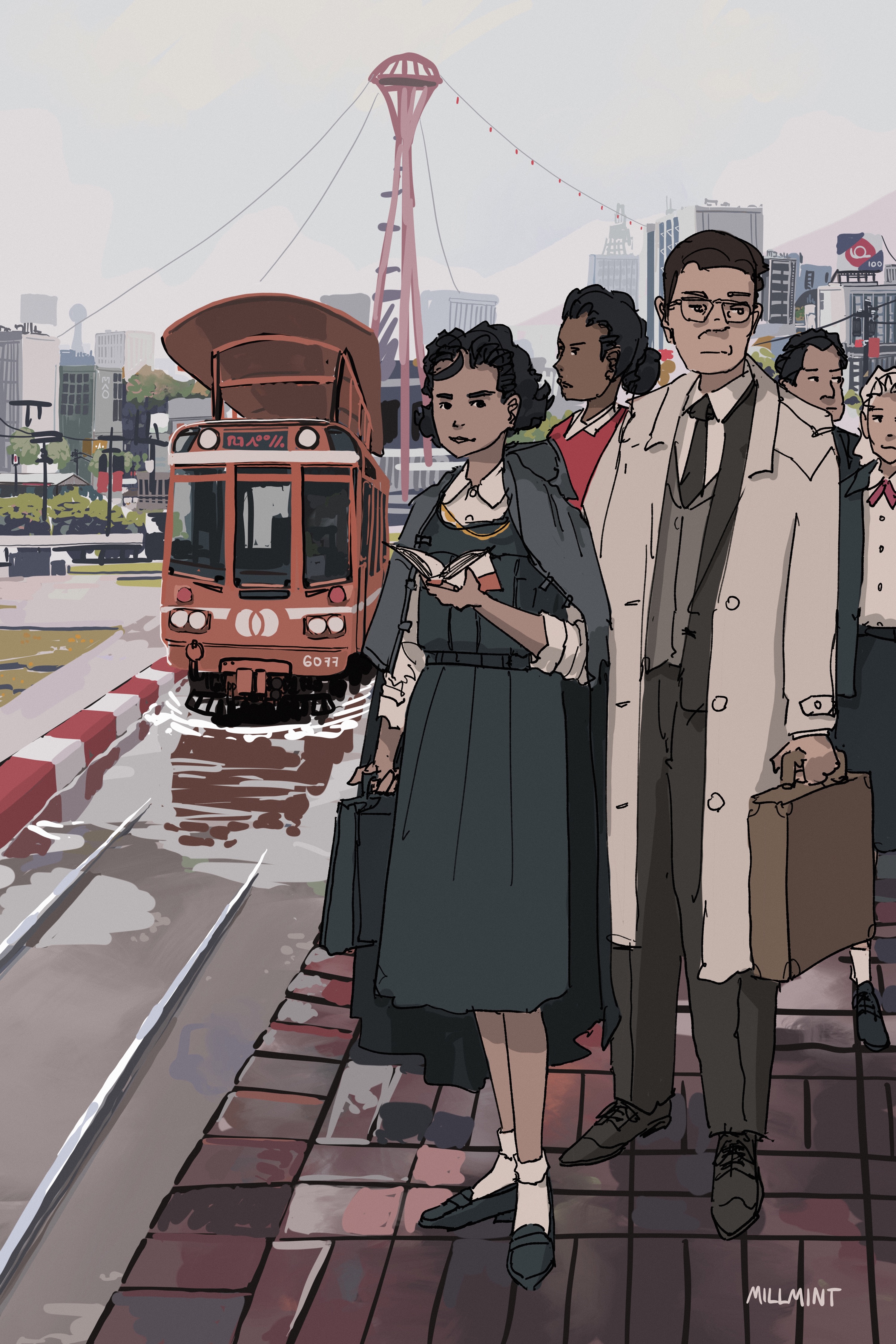
This work environment ranks highly for productivity but lowly for economic freedom, as the structure of the commons inhibits scaling businesses beyond social dimensions. Private business ownership is most common in small communities with strong social bonds, particularly in rural or agricultural areas.
Vekllei people generally have aspirations of power rather than wealth, and work towards that goal in the absence of a wage. Other reasons for work include its strong social dimensions and relaxed ethic, which are facilitated by a professional but gentle work culture that retains short working days and frequent tea breaks.
Finance #
Main article: 💵 Finance in Vekllei
Vekllei separates its markets to allow for money to be used by industry and the government as part of trade and business.
- The Commons is the moneyless and participatory domestic market.
- The Financialised Commons are the moneyed industrial and international markets.
Most Vekllei people never interact with the financialised commons, but it plays a significant role in the economy. Vekllei’s history as a series of entrepôts and its international neutrality have made it desirable as a place of business and investment, and many foreign companies bank in Vekllei. Vekllei is a major commodities and securities exchange, via the Vekllei International Market.
Despite its international investment and low barriers to trade, the Commonwealth government is a major participant in the financialised commons and contributes significantly to its currency pool. Vekllei has the second-largest foreign currency reserves in the world.
The Commonwealth has major financial hubs in Bermuda, the Bahamas and the Azores.
Industry #
Main article: ⚙️ Industry
Read more: 🏬 State Industry in Vekllei
Vekllei has a large industrial capacity and produces vehicles, machine tools, steel and nonferrous metals, ships, chemicals, textiles, and processed foods. It has the 12th-highest manufacturing output in the world.
Parts of Vekllei are highly industrialised,7 and the country has modernised its economy since independence through labour-saving automations, centralisation and new technologies like robotics. Very few Vekllei people work in traditional factory labour, since it is impractical in the commons, and so most production and assembly occurs in automated factories known as lots.
Major industries in Vekllei leverage the creative productivity of its enthusiastic and well-educated population, and leads markets in financial services, design, banking, electronics, telecommunications and research. Its historic reputation as a reliable and efficient entrepôt and geographic diversity means Vekllei is a major hub of trade and is well-connected to the rest of the world.
Property #
Read more: 🏡 Property in Vekllei
The right to property is protected by the Vekllei Constitution, and important in North Vekllei culture. Home ownership is a foundation of Atlantic Municipalism, and is determined by stewardship of land.
In the Vekllei legal system, land has three competing agents:
- The Steward – the occupier and worker of the land
- The Public – the community, municipality and state
- The Sovereign – the land itself, as a seperate sovereign kingdom of nature
Rather than defined legal owners, land ownership in Vekllei is a pluralistic competition between these three agents. The claim to ownership grows with time and use, and so it is possible for any agent to litigate property provided a reasonable claim to ownership can be provided.
In North Vekllei, where Upen folk metaphysics are practiced, the Sovereign is treated literally as a competing agent. In other parts of Vekllei, like the Kalina Isles, it is treated as nature itself or the environment. In both cases, the interests of the Sovereign are established by special prosecutors in court.
Nearly 96% of Vekllei people own their homes, among the highest rates of home-ownership in the world.
Foreign Policy #
Main article: Foreign Policy
Vekllei maintains a nonaligned foreign policy characterised by pragmatic engagement and substantial investment in diplomatic infrastructure. The Parliament of State operates diplomatic missions in nearly every country, staffed with locally-recruited analysts and diplomats familiar with regional contexts. This reliable investment in foreign relations gives Vekllei outsized influence relative to its population of 26.8 million.
The country is a member of several international organisations including the United Nations, the International Monetary Fund, and the World Bank. Many international organisations have relocated headquarters or regional offices to Vekllei, attracted by its neutral status and strategic Atlantic position. The Commonwealth also participates in COMOC, its own international organisation facilitating accession of new member states.
Vekllei’s Bureau of Economics channels direct investment, nation-building aid, and development assistance to developing countries. Key priorities include education and healthcare, delivered through exports of qualified professionals. Vekllei is one of the world’s largest exporters of medical aid, with doctors and nurses spending time overseas as part of their training. Teachers and education specialists similarly contribute to development programs, particularly in emerging African and Caribbean states.
This approach has critics. Fast-tracked citizenship for educated immigrants has led to accusations of contributing to “brain drain” in developing countries. The country’s interventionist humanitarian policy also creates tension – volunteer brigades offer direct military intervention to prevent atrocities, achieving successes like preventing genocide in Latin Africa but also suffering failures like the encircled battalion in Zaire.
Vekllei maintains disputed territorial claims including the Falklands (contested with Argentina) and portions of the Antilles (contested with Venezuela). These disputes are managed through diplomatic channels rather than military posturing, consistent with the country’s preference for stability over confrontation.
Military #
Main article: Armed Forces
The Armed Forces of Vekllei are the military of the Commonwealth, administered as a single integrated organisation under the Ministry of Defence. Unlike most militaries divided into separate branches, Vekllei organises all services within a unified naval command structure reflecting its character as a union of island communities. The term “Navy” in Vekllei is synonymous with “Military,” encompassing all air, land, and sea warfare capabilities.
The armed forces comprise ten specialised services including the Maritime Service, Littoral Service, Air Service, and Territorial Service. These services operate as interchangeable components that combine into interarmes services for specific missions, with regiments from different services operating under unified command.
Vekllei maintains both professional expeditionary forces and a federal militia system. The professional Territorial Service numbers around 45,000 soldiers including 6,000 commandos suited to Vekllei’s interventionist posture. The Commonwealth Guards serve as reservists, while Popular Guards function as volunteer partisan militias. During wartime mobilisation, these forces exceed one million personnel.
The military has an expeditionary character and maintains a global presence. Recent deployments include humanitarian interventions in Haiti (2045) and the Congo (2065), as well as ongoing peacekeeping operations. Vekllei also operates “volunteer brigades” that provide direct intervention capabilities, though this approach has produced both successes and failures.
Vekllei maintains a nuclear deterrent through its Missiles Service, operating an estimated 16 ICBMs, 40 IRBMs, and 6 ballistic missile submarines. The country also has a significant arms industry, with domestic production of most military equipment including nuclear-powered aircraft and vessels. It also exports large numbers of arms to foreign nations, particularly members of the nonaligned movement.
Society #
Commonwealth society is multicultural, egalitarian, informal and pluralistic. Aspects of society can be closely controlled by government or anarchistic, depending on circumstance. Vekllei has a strong sense of civic identity based around Atlantic Municipalism and Floral Democracy.
Although acknowledging its indigenous cultures, postwar society in Vekllei emphasises a broad esprit de corps that informs belief through common values and political practices.
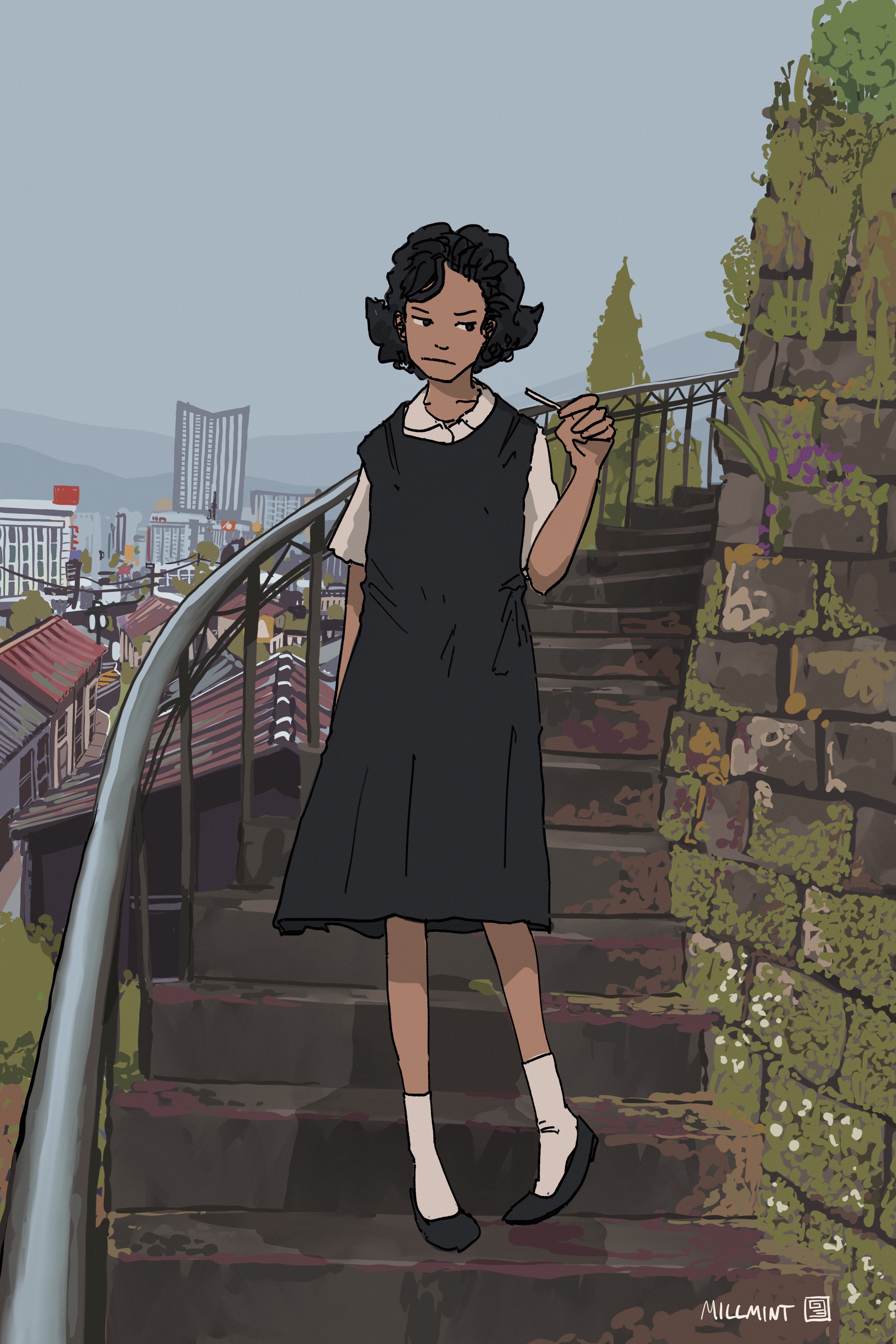
Commonwealth society is internationalist owing to its internal distance and diversity, and so aspects of its political and cultural beliefs are considered universal. Atlantic Laicity overrules religious practice where it violates Commonwealth values or law – for example the wearing of long veils in schools and public institutions is prohibited. Similarly, the Commonwealth considers democracy to be a foundational human right and belief in it is essential for participation in society.
Because the unmoneyed Commons economy is essentially unregulated beyond the Vekllei Basic Laws, Commonwealth society has strong anarchist currents.
Education #
Main article: 📚 Education in Vekllei
Education in Vekllei is universal and compulsory for children until the age of 16. All schools are coeducational, with the exception of a handful of faith schools.
Education across the Commonwealth is considered a life-long affair, and the country has many public programmes to encourage adult learning. The quality and universality of Vekllei education has ensured universal literacy across the Commonwealth and is a major export, both as a business and as a form of diplomacy and aid.
Demographics #
Read more: 👨👩👧👦 Demographics of Vekllei
The Commonwealth is a diverse society owing to its disparate geography, history as a middle point between the Old and New Worlds, and substantial immigration after independence in 2015. 46% of people in Vekllei were born overseas, with significant variation across Commonwealth regions. Between 2015 and 2065, approximately 8 million immigrants settled in Vekllei, drawn by economic opportunity and political stability.
| Ethnic Group | Population | Primary Subgroups | Geographic Concentration |
|---|---|---|---|
| Oslolan (38%) | 10.2M | Scandinavian (62%) Algic/Inuit (38%) |
Volcanic, Arctic regions |
| UK & Ireland (18%) | 4.83M | English (52%) Scottish (24%) Irish (16%) Welsh (8%) |
Lucaya, Antarctic, scattered |
| Kalinago/Carib (7%) | 1.88M | Island Carib communities | Kalina region |
| Afro-Caribbean (9%) | 2.42M | Afro-Kalinago (65%) Afro-Bahamian (20%) Others (15%) |
Kalina, Lucaya regions |
| East Indian (7.5%) | 2.01M | Trinidadian (89%) Guyanese (11%) |
Kairi, Kalina region |
| East Creole (8%) | 2.15M | Badiu (68%) Sampadjudo (30%) Others (2%) |
Verde region |
| Commonwealth Asian (3%) | 0.80M | Chinese (65%) Japanese (15%) Filipino (12%) Others (8%) |
Urban centres |
| Hispanic/Latino (4%) | 1.07M | Various Latin American | Antilles, Atlantic regions |
| Portuguese (2.5%) | 0.67M | Concentrated communities | Atlantic, Verde regions |
| French (1.5%) | 0.40M | Concentrated communities | Kalina ( Madiana, Karu) |
| Southern European (0.8%) | 0.21M | Italian, Greek, others | Atlantic region |
| Others (0.7%) | 0.19M | Various minorities | Distributed |
The Vekllei diaspora numbers approximately 2 million people worldwide, primarily descendants of refugees from the Civil and Atomic Wars of the mid-20th century. Many maintain cultural and familial connections to the Commonwealth.
Immigration policy is managed through the Century Society Laws, which balance population growth with cultural integration. The laws establish quotas and integration requirements while maintaining Vekllei’s commitment to providing refuge for displaced peoples.
Language #
Vekllei has 16 official languages reflecting its diverse communities and decentralised geography. English serves as the primary lingua franca and is widely spoken across all republics. The country also maintains Veletian, an official constructed language developed to bridge linguistic divides. Schools typically teach English, Veletian, and a local language, making trilingualism common among Vekllei citizens.
Major languages include Oslolan (a North Germanic language), various Caribbean Creoles, Kalinago indigenous languages, Portuguese, French, and Spanish. This linguistic diversity is protected through federal language policy that ensures government services and education are available in local languages while maintaining English as the administrative standard.
Religion #
Vekllei is agonistic and has no official religion, but recognises and has protections for traditional and folk religions. Recognised traditional faiths include folk Oslolan spiritualism, Kalina local faiths and the Catholic, Apostolic and Roman religions.
Religion plays a role in certain Commonwealth societies, affecting local holidays and days of rest. In societies with large folk religions like Oslola and Kalina, aspects of local faith are present in the structure of municipal government and public companies.
Although the official position of the Commonwealth is as a lay, secular republic that forbids public worship in state institutions like schools and government, it is loosely enforced.
Transport #
Read more: CommRail
The Commonwealth operates a comprehensive public transit network that handles most commuter traffic. Automobiles are uncommon, with only 10 vehicles per 100 people compared to over 80 in the United States. Most personal vehicle access comes through company cars or community Autopools (shared vehicle programs).
Vekllei republics are serviced by dense networks of trains and trams managed by CommRail, the federal rail operator. Inter-island connections utilize ferries operated by Commonwealth Lines, passenger jets and helijets from Commonwealth Airways, and various regional transport services. The integrated nature of this system allows seamless travel across the scattered island republics.
Public transport infrastructure ranges from local tramways to lunar spaceflight, reflecting Vekllei’s technological capabilities and commitment to accessible transportation.
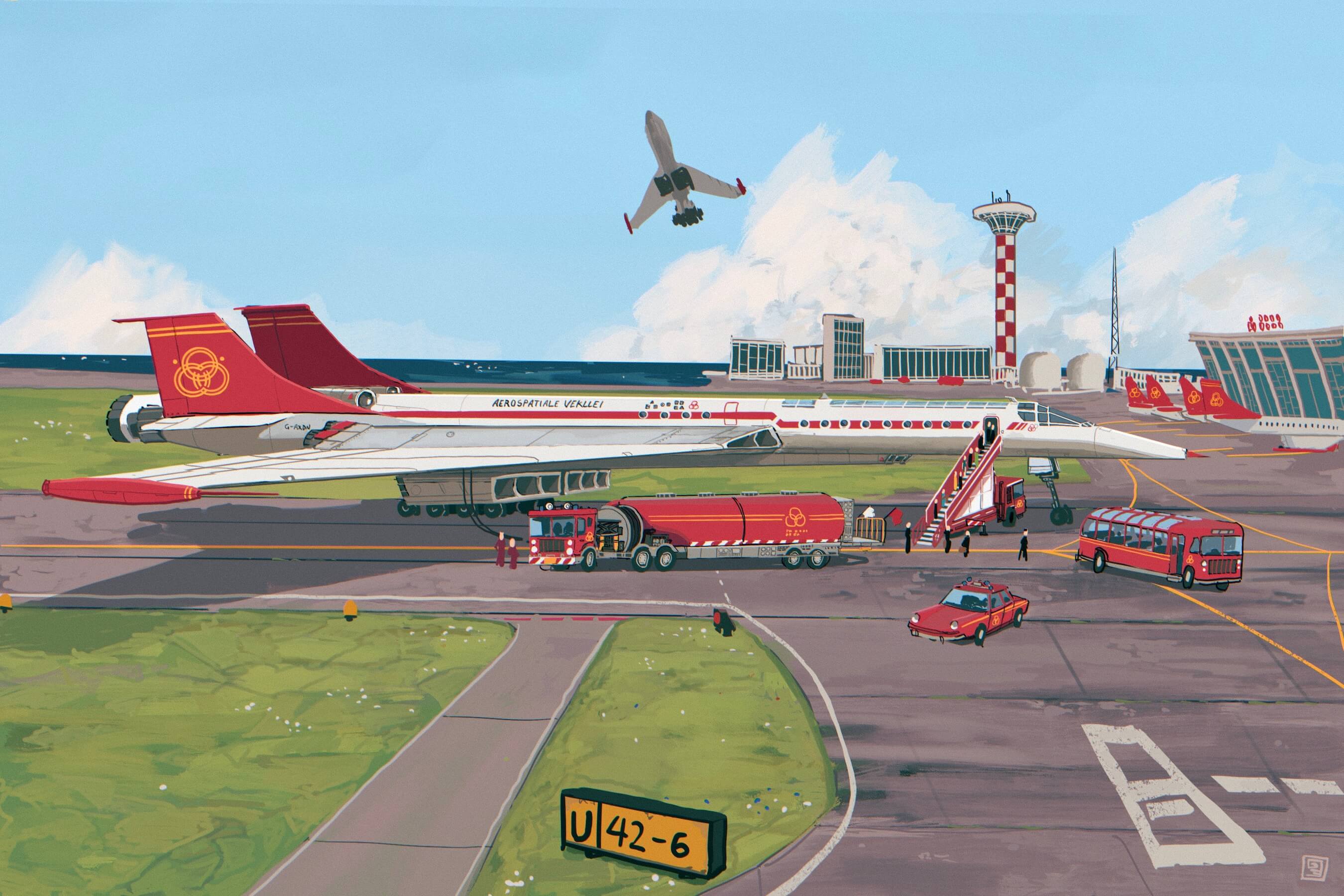
Public transit ranges from state-of-the-art maglev lines in Oslola to century-old steam locomotives in Verde, operated by Vekllei National Rail. The sophistication of the network allows almost any citizen of the Commonwealth to travel from their doorstep to the moon entirely via public transport.
Communications #
Read more: 🖥 Computing in Vekllei
The Commonwealth is the site of the Atlantic Telephone & Telegraph Exchange, which services connections between the Americas and Europe. It has a sophisticated network of public phones available to persons with a Phone Card. Radio and television broadcasting are operated by the Ministry of the Commons via the Commonwealth Radio and Commonwealth Television companies, which contract regional service to local operators.
The Commonwealth maintains the National Bulletin System, a form of networked electronic bulletin board that is able to be accessed from most libraries and schools across its republics.
-
Commonwealths are a historical nation-state indigenous to some Constituents, and today distinguishes Vekllei from federalised or unitary states and emphasises their egalitarian values and shared future. ↩︎
-
The corcidi is actually a combination of two poetic phrases, and is usually transliterated separately as people of the sea, people of the stars, though the meaning is the same. ↩︎
-
The modern Commonwealth is sometimes called the Fourth Commonwealth, as a successor to the three Oslolan commonwealths that preceded it. The First Commonwealth was established in 700 AD. The Second Commonwealth emerged in 1200 AD. The Third Commonwealth was established in 1400 AD and collapsed in 1600 AD following the Six Years War with the British Empire. The current Fourth Commonwealth, established in 1965, represents a complete restructuring of Atlantic society around principles of federalism, consensus democracy, and economic cooperation. ↩︎
-
In all Commonwealths except for Kala, the prime ministers are required to be one man and one woman. ↩︎
-
The Prime Ministers represent a single office, called a Consilia. ↩︎
-
Verde acceded to Commonwealth membership in 1975, and is undergoing full integration with the commons moneyless system. ↩︎
-
Oslola and the Kalina Commonwealth are the primary industrial regions of Vekllei, and also supply most of its food through its vast fisheries and food factories. ↩︎